Conical burrs dominate the espresso side of the grinder market for a specific, measurable reason: their shape produces a slightly wider particle distribution than flat burrs, which translates into a rounder, fuller-bodied shot that most espresso drinkers prefer over the brighter, more acidic profile flat burrs tend to favor. Two grinders currently define this category, and they're built for genuinely different priorities.
Why Conical Geometry Suits Espresso Specifically
A conical burr set spins one cone-shaped burr inside another, and coffee grounds pass through a curved cutting path rather than the flat, parallel plates a flat burr set uses. That geometry produces more of the fine and medium-fine particles together in the same dose, a wider distribution that flat-burr advocates consider a weakness for filter coffee but that works in espresso's favor, since it builds body and sweetness in a way a narrower, more uniform particle spread doesn't replicate as easily.
Best Conical Burr Espresso Grinders 2026: The Rankings
1. Niche Zero ($629): Best Overall
The default recommendation in the home espresso community for good reason. Its single-dose hopper and 63mm conical burrs deliver near-zero retention, meaning you can switch beans mid-session without meaningfully cross-contaminating the next dose, a real claim almost no grinder under $1,000 can back up. It's sold directly through Niche rather than Amazon, the one friction point worth knowing before buying.
Niche Zero
Single-dose conical burr grinder, 63mm burrs, near-zero retention, $629
2. Baratza Sette 270 ($399): Best Value Direct-Drive
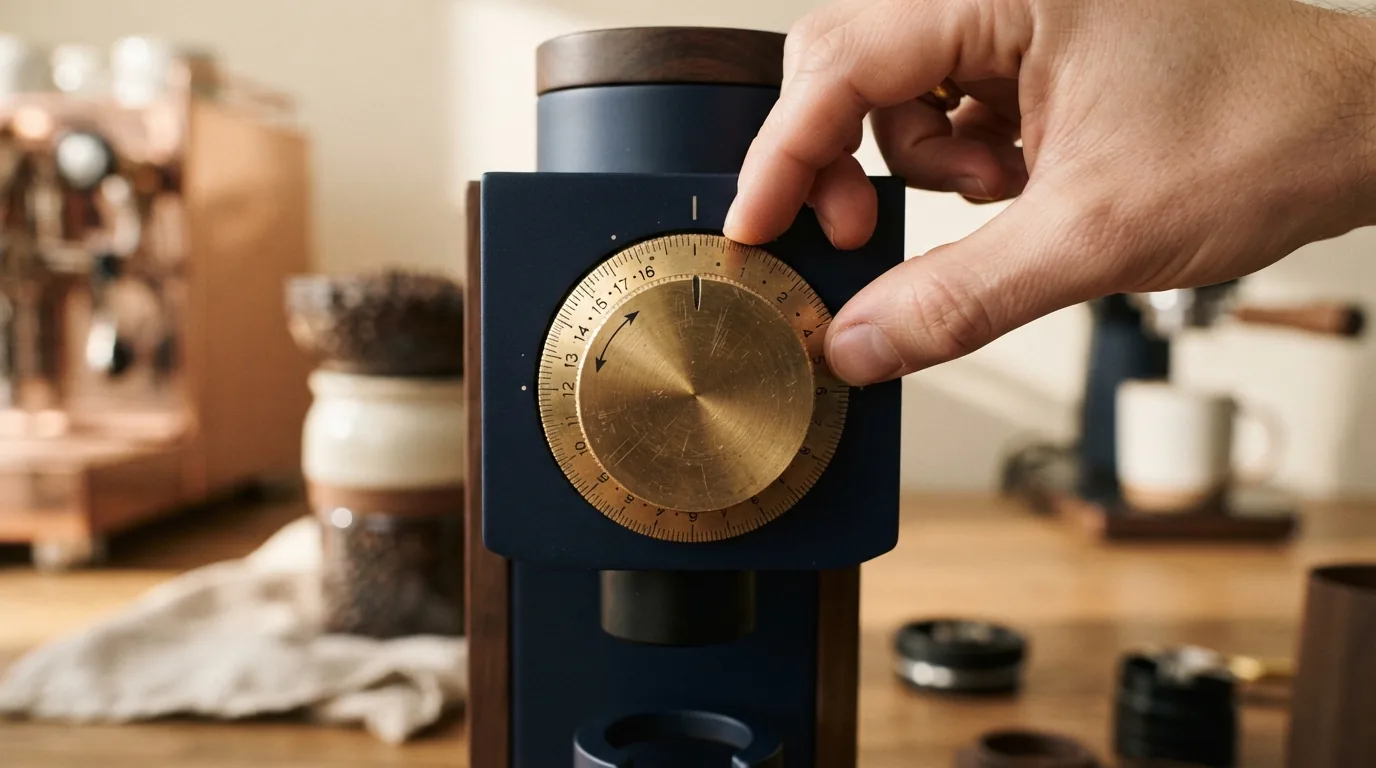
The Sette 270 uses a 40mm conical burr set driven directly by the motor rather than through a belt or gear reduction, which shortens the grind path and reduces retention considerably compared to older direct-drive designs. It combines coarse stepped adjustment with fine stepless micro-adjustment, giving genuinely precise espresso dial-in at meaningfully less than the Niche's price.
Baratza Sette 270 Conical Burr Grinder
40mm conical burrs, direct drive, stepped plus stepless micro-adjustment, $399
“Conical burrs aren't a budget compromise next to flat ones. For espresso specifically, the wider particle spread is doing real, useful work.”
Single-Dose vs Hopper-Fed Workflow
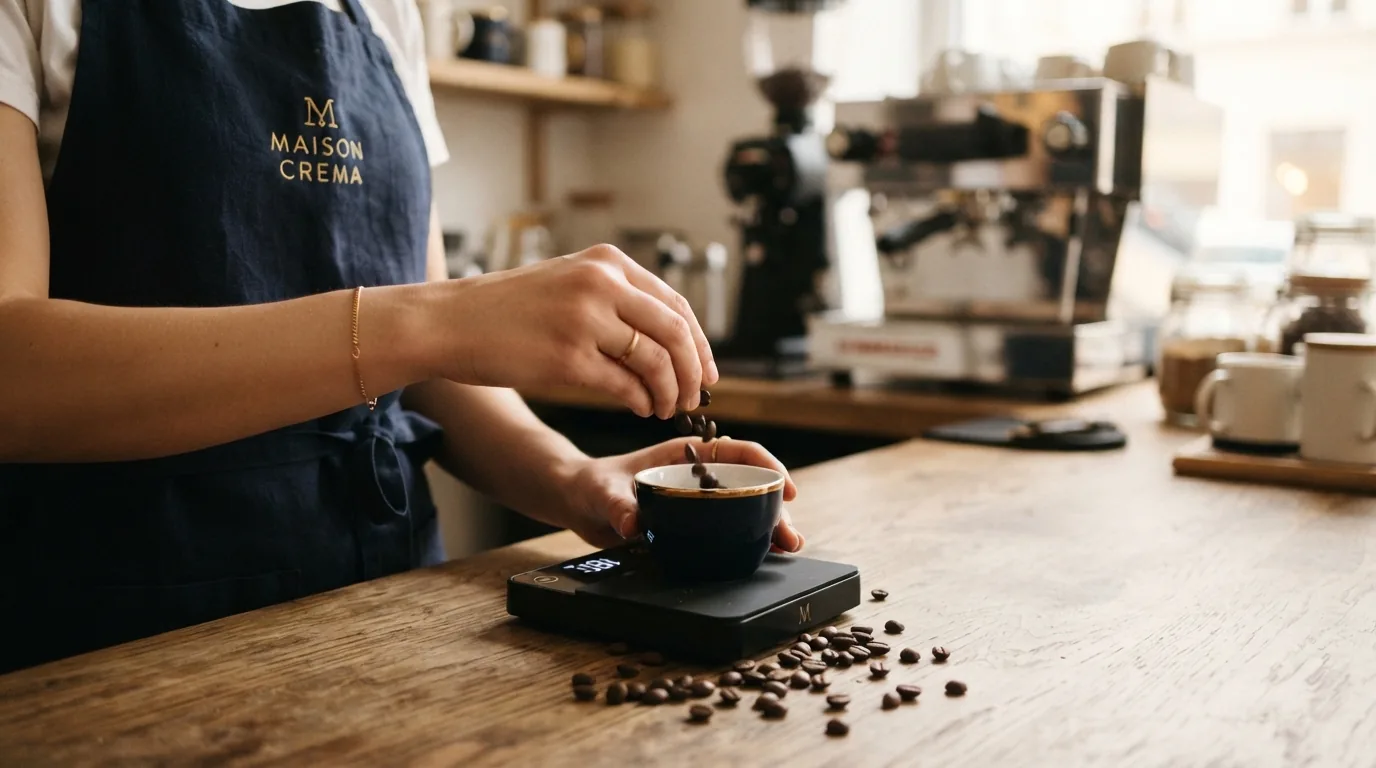
Both grinders here lean single-dose, meaning you weigh and load roughly one shot's worth of beans per grind rather than keeping a full hopper loaded at all times. That workflow adds a small daily step, weighing beans before grinding, but it's also what makes near-zero retention possible in the first place, since there's no standing reservoir of beans sitting in the grind path between sessions to contaminate the next dose.
Why Not Just Use a Flat Burr Grinder
Flat burrs aren't worse, they're built for a different priority: tighter, more uniform particle distribution that produces a cleaner, brighter cup better suited to showing off a specific origin's character, which is why they dominate the filter and pour-over side of the market instead. If your grinding is split fairly evenly between espresso and filter methods, our high-end all-purpose burr grinders 2026 guide covers flagship flat-burr options built specifically to handle both without compromise.
Motor Speed and Heat: A Real But Overstated Concern
Grinding generates friction, and friction generates heat, which in theory can affect delicate aromatic compounds if a grinder runs hot enough for long enough. In practice, for a single dose ground in under 15 seconds, the way both grinders here operate, heat buildup is negligible and not something worth factoring into a buying decision. It becomes a genuine concern only on grinders processing large continuous batches for extended periods, a commercial café workload rather than a home routine.
Noise Level Is a Real Household Consideration
Both grinders run considerably quieter than a typical blade grinder, but neither is silent, and conical burr grinders in general tend to run a notch louder than comparable flat burr designs due to the geometry of how beans are pulled through the burr chamber. If you're grinding early in the morning in a household where other people are still asleep, it's worth factoring in, though neither model here is loud enough to be a genuine dealbreaker for most homes.
Pairing Either Grinder With a Real Dial-In Routine
A great conical burr grinder narrows the gap between mediocre and excellent beans, but it doesn't replace an actual dial-in process. Our science of espresso extraction guide covers the grind-dose-time relationship in depth, and our best coffee scales 2026 guide covers the tool that makes repeating a good result, rather than guessing your way back to it, actually possible.
Upgrading From an Entry-Level Grinder
If you're moving up from a grinder covered in our best coffee grinders 2026 guide, the difference you'll notice fastest isn't raw grind quality, it's consistency between doses. An entry-level grinder can produce a genuinely good shot occasionally; a grinder built specifically around near-zero retention and precise stepless adjustment produces that same quality reliably, shot after shot, which is the actual thing most home baristas are missing once their technique has already outgrown their equipment rather than any single spec on a comparison chart.