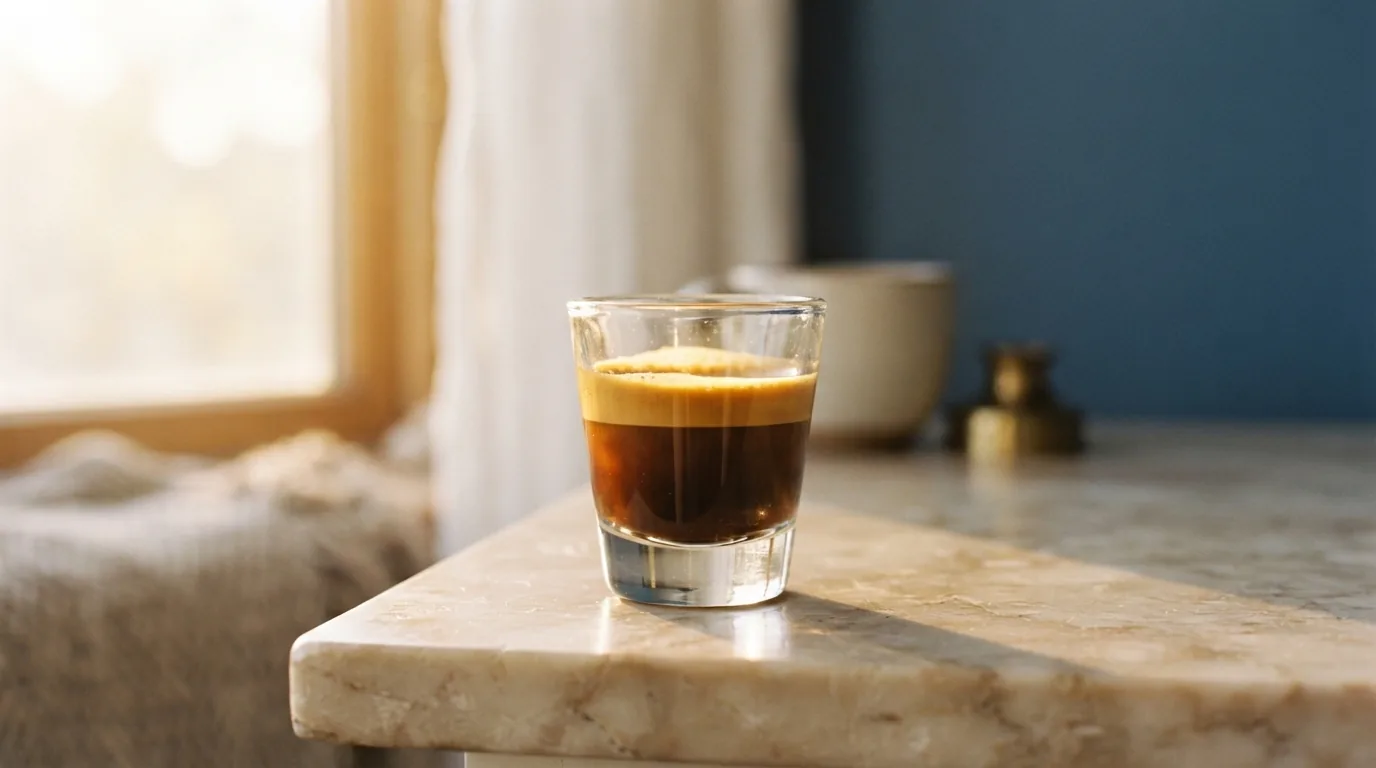
A portable espresso maker is exactly what it sounds like: a compact, fully manual device that produces genuine pressurized espresso extraction using nothing but a hand pump, no electricity, no battery, no boiler. That makes it one of the only ways to get an actual shot of espresso, rather than instant coffee, anywhere you can find hot water: a campsite, a hotel room, an office desk, or the back of a car on a road trip.
How They Work
The mechanism is simple and has barely changed since the category was invented: you fill a small basket with ground coffee, add hot water to a chamber, and manually pump a piston that forces the water through the grounds at genuine espresso-range pressure. Commonly 8 to 18 bar depending on the model. You supply the hot water yourself, from a thermos, a camp stove, or wherever hot water is available; the device itself doesn't heat anything. What it does replicate, remarkably well for something that fits in a jacket pocket, is real crema and real extraction pressure, not just strong coffee.
Best Portable Espresso Makers 2026: The Rankings
1. Wacaco Nanopresso ($86.90): Best Overall
The Nanopresso is the current flagship of the category, reaching a genuine 18 bar of extraction pressure and accepting standard ground coffee directly, which makes it the more versatile pick if you already grind your own beans at home and want that same coffee on the road. It weighs under a pound and packs down small enough to fit in a daypack without feeling like dead weight.
Wacaco Nanopresso
18-bar manual pump extraction, compatible with ground coffee, no battery required, $86.90
2. Wacaco Minipresso NS ($45.99): Best Budget / Capsule Pick
The Minipresso NS is Wacaco's original design and remains the budget entry point into the category, running at roughly 8 bar of pressure and built specifically around Nespresso Original-line capsules rather than loose ground coffee. That's a real tradeoff, not a downgrade for everyone. If you already keep Nespresso capsules around, this is the simplest, least fussy way to get real espresso pressure into a compact travel device.
Wacaco Minipresso NS
8-bar manual pump extraction, compatible with Nespresso Original capsules, $45.99
“These aren't a downgrade from a real espresso machine so much as a different tool entirely. The only one that fits in a jacket pocket and needs nothing but hot water to work.”
What You Still Need
A portable espresso maker solves the pressure and extraction problem, not the hot water problem. You'll still need a way to heat water, whether that's a camp stove, a hotel room kettle, or a good insulated thermos filled before you leave the house. If you're grinding your own beans for the Nanopresso rather than buying pre-ground, our best coffee grinders 2026 guide covers hand grinders that pack down just as small as the espresso maker itself, keeping the whole setup genuinely portable.
Who Should Actually Buy One
This category makes the most sense for campers, hikers, frequent travelers, and anyone who spends real time in places without access to a proper espresso machine but still wants more than instant coffee. It's also a surprisingly practical second device to keep at home specifically for cocktail night. See our espresso martini guide, which relies on genuinely fresh espresso for its signature foam cap and is exactly the kind of occasional, small-batch use case these devices are built for.
The Real Limitations
Be honest with yourself about what these devices are and aren't. Shot volumes are small, roughly a single espresso shot per pump cycle, and pumping does take real hand effort, typically 15 to 20 pumps per shot. Neither model froths milk, so if you want a travel latte rather than a straight shot, pair one with a compact handheld option from our milk frother guide. And manual pumping means these are a deliberate, slightly effortful ritual, not a one-button convenience, which, for a lot of the people who buy them, is part of the appeal rather than a downside.
Grind Size and Coffee Freshness on the Road
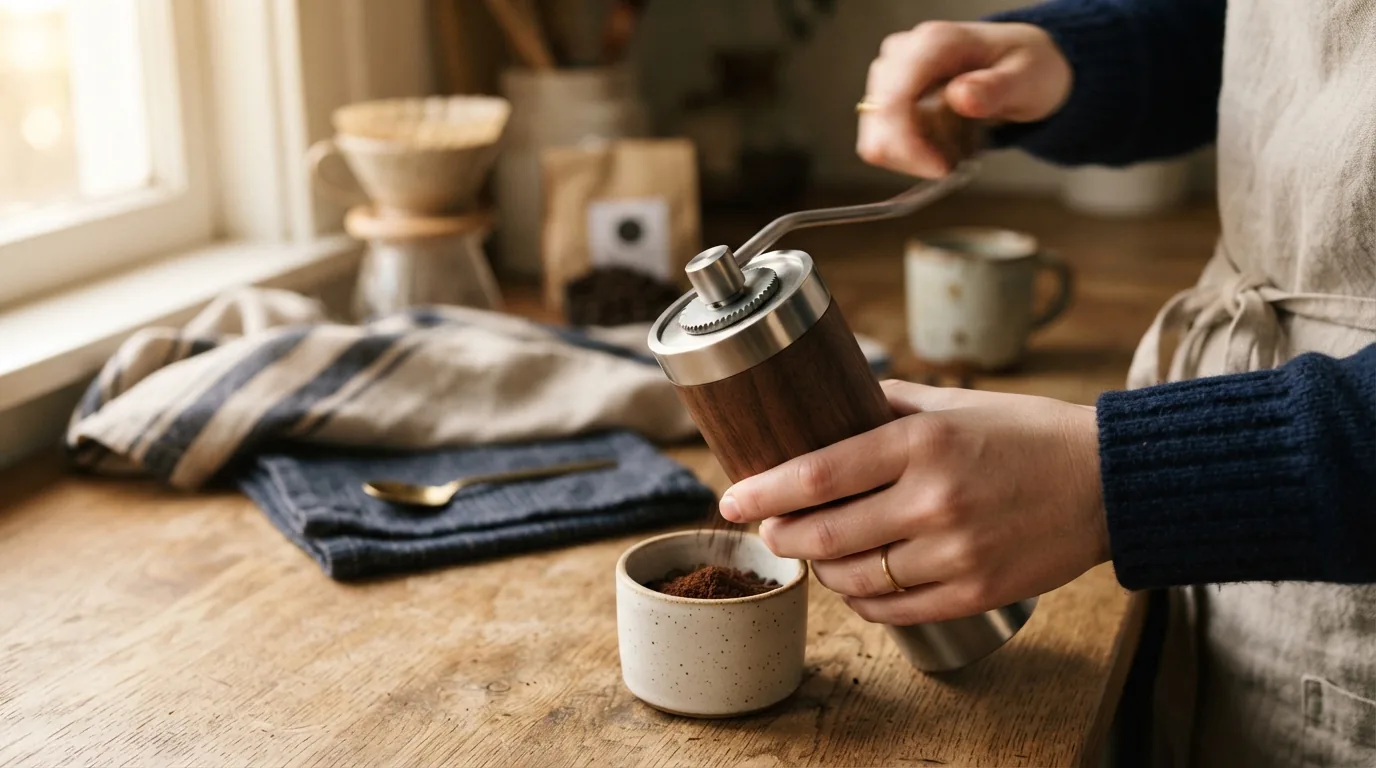
If you're using the ground-coffee-compatible Nanopresso, bring pre-ground coffee in a small airtight container rather than grinding coarsely ahead of time and hoping it holds up. Ground coffee stales within days, and a multi-day trip is more than enough time for pre-ground coffee to go noticeably flat. A compact hand grinder solves this properly if you're serious about coffee quality on longer trips, letting you grind fresh right before each shot the same way you would at home. Water quality also travels with you in a sense. Bottled or filtered water produces a cleaner-tasting shot than heavily chlorinated tap water from an unfamiliar source, worth keeping in mind if the shot tastes off despite good technique.
Cleaning and Maintenance
Both devices are simple enough to clean with just water after each use. Rinse the brew head and basket, and let all parts air dry fully before packing them away to avoid trapped moisture and mold in a sealed travel bag. Neither requires descaling in the way a full espresso machine does, since there's no internal boiler or heating element to build up scale in the first place, which is part of what makes them so low-maintenance for infrequent or seasonal use.