Coffee is roughly 98 to 99 percent water by weight. Every guide to grind size, dose, and roast date is really a guide to the other 1 to 2 percent. And yet water is the variable most home setups never touch. Two people can use the identical bag of beans, the identical grinder setting, and the identical machine, and still get noticeably different cups purely because the water coming out of their tap is chemically different. This is the most overlooked lever in home coffee, and it's also one of the cheapest to fix.
Why Water Chemistry Changes Flavor
Water doesn't just carry flavor out of coffee grounds. Specific dissolved minerals in it, primarily calcium and magnesium, actively bind to flavor compounds during extraction and help pull them out of the grounds. That's why water with essentially no mineral content, like distilled or straight reverse-osmosis water, tends to produce a flat, weak-tasting cup even at a normal brew ratio: there's nothing in the water to bind to and carry the flavor compounds you're trying to extract.
Water that's too hard has the opposite problem. Excess minerals, particularly calcium, can over-extract certain compounds and leave a chalky, muddy, or mineral-heavy taste, on top of the practical issue of scale building up inside a machine's boiler over time. The same buildup our descaling guide covers in detail. And any tap water carrying a noticeable chlorine or chloramine taste will carry that taste directly into the cup, since coffee doesn't mask off-flavors in water. It amplifies them.
The Specialty Coffee Association Water Standard
The Specialty Coffee Association publishes water quality targets specifically for brewing, built around total dissolved solids near 150 parts per million, a near-neutral pH in the 6.5 to 7.5 range, and a defined balance of calcium, magnesium, sodium, and bicarbonate. Essentially free of chlorine and other off-tastes. Very few municipal tap water systems land naturally in that range; some run far softer, some far harder, and treatment chemicals vary by region. That's the entire reason a whole product category exists around getting ordinary water closer to that target before it ever touches a grind.
Three Ways to Get There
You don't need a water chemistry degree to meaningfully improve what's in your cup. Three approaches cover almost every home setup, in order of precision and cost.
1: Mineral packets added to distilled or RO water
Products like Third Wave Water are pre-measured mineral packets designed to be dissolved into a gallon of distilled or reverse-osmosis water, rebuilding it to hit SCA-style mineral targets precisely and repeatably. This is the most controlled, most portable option. Useful for anyone who wants consistency without owning a water-testing kit, and cheap enough per gallon that it's a reasonable default for serious home brewers.
Third Wave Water Espresso Machine Profile
Mineral packets that rebuild distilled or RO water to a brewing-specific target, 12-pack treats 12 gallons, $17.00
2: A basic carbon filter pitcher
A standard carbon filter pitcher won't hit precise SCA mineral targets the way a dedicated remineralizing product does, but it reliably strips chlorine taste and reduces some hardness, which is a meaningful upgrade over unfiltered tap water in most municipal systems. It's the lowest-effort, lowest-cost starting point if precision water chemistry isn't something you're ready to chase yet, and it's genuinely useful for drinking water generally, not just coffee.
Brita Large 10-Cup Water Filter Pitcher
Carbon filter pitcher that removes chlorine taste and reduces hardness before brewing, $34.99
3: Reverse osmosis with remineralization
For enthusiasts who want the most control, a home RO system paired with a remineralization stage strips tap water down to nearly nothing and rebuilds it to an exact specified mineral profile, batch after batch. It's the most precise option and the most expensive and involved to install, and it's genuinely overkill for most home brewers. We mention it here for completeness rather than as a purchase recommendation, since the mineral-packet route above gets the vast majority of the same benefit for a fraction of the cost and effort.
“You can spend hundreds of dollars chasing grind consistency and still get a worse cup than someone brewing mediocre beans with properly balanced water. Water isn't a footnote. It's most of the drink.”
A Simple Test Worth Running
Before buying anything, run a side-by-side taste test: brew the same beans, same grind, same method using your regular tap water and using filtered or remineralized water, back to back. Most people notice the difference immediately, especially in pour-over or drip methods where water quality has nothing else to hide behind. If the difference is obvious, that's your answer on whether it's worth the small investment above; if it isn't, your tap water may already be closer to the target range than most.
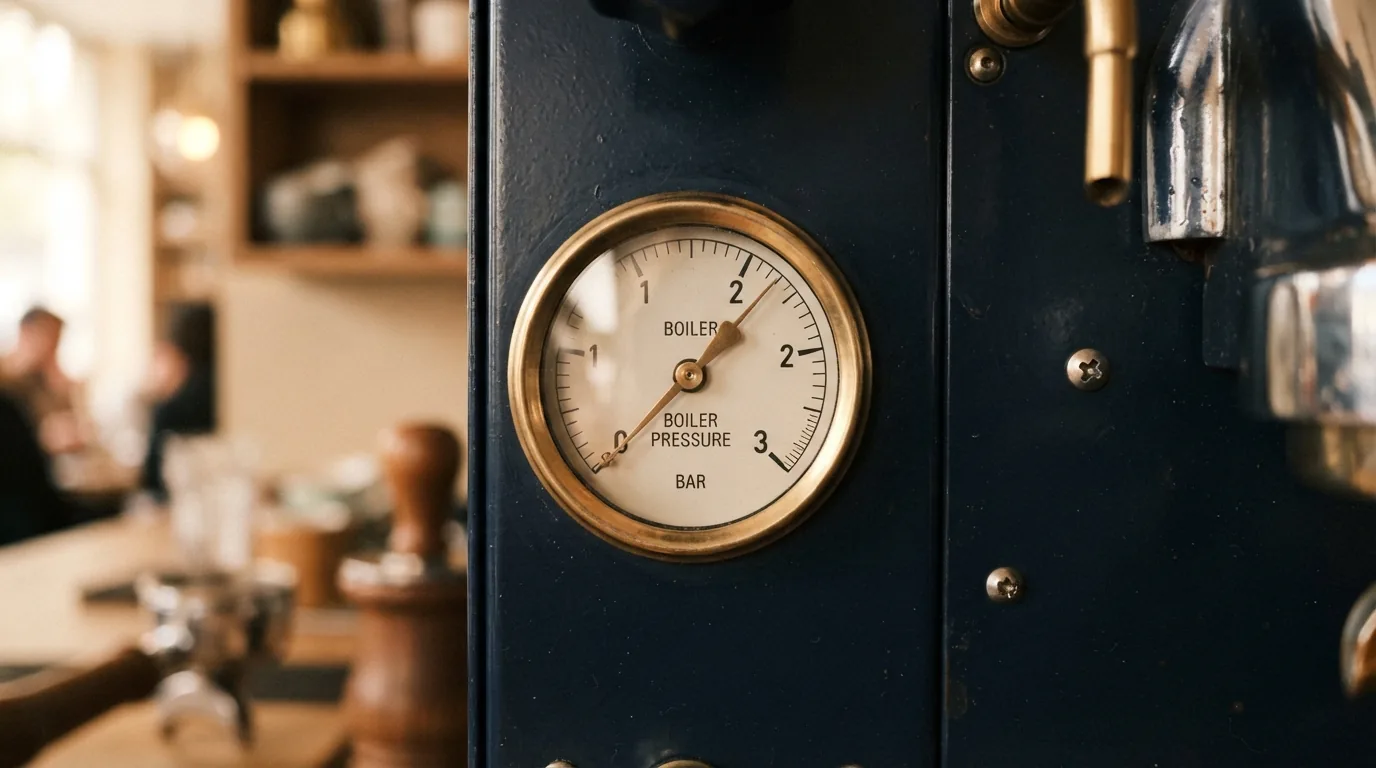
Espresso machines have an added reason to care about this beyond taste: hard water doesn't just affect flavor, it shortens the interval between descaling cycles and can, over years of neglect, damage internal boiler components that are expensive to replace. If you're running an espresso machine on notably hard tap water, treating the water before it enters the machine is one of the few maintenance choices that pays for itself in both better coffee and a longer-lived machine at the same time.
For the extraction chemistry water quality feeds into, see our science of espresso extraction guide, and if hard water has been building up inside your machine, our descaling guide covers the maintenance routine to reverse it. Browse the full craft & science collection for more on the variables that shape what's actually in your cup.