Sustainability marketing around coffee gear leans hard on compostable pods and bamboo everything, and some of it is genuinely useful while a lot of it is closer to theater. The equipment that actually reduces waste in a home coffee routine tends to be less photogenic than a compostable capsule: a good canister that prevents beans from staling and getting tossed, a reusable filter that replaces years of paper ones, a pod system that eliminates single-use capsules entirely rather than making a slightly greener version of the same waste stream.
The Biggest Waste Source Most People Don't Count
Wasted coffee itself, beans that staled before they were used, grounds over-dosed out of habit rather than measurement, brewed coffee poured out because too much was made, is a larger waste stream in most households than the packaging around it, and it's almost entirely invisible because nobody weighs what gets thrown away. Our coffee bean storage guide and our best coffee scales 2026 guide both address this directly: a scale that stops you from over-dosing and a canister that keeps beans usable longer do more for actual waste reduction than most gear marketed specifically as "eco."
Reusable Pods vs the Single-Use Capsule Problem
Single-serve pod machines produce a genuinely large amount of packaging waste per cup compared to any other brewing method, since each capsule is discarded after one use regardless of material. Reusable capsule inserts, compatible with most major pod machine ecosystems, let you fill your own grounds into a permanent capsule instead, eliminating that waste stream entirely rather than switching to a "recyclable" single-use pod that still requires specific municipal recycling infrastructure most areas don't actually have. If you already own a pod machine, this is close to the single highest-impact swap available. Our best single-serve pod coffee machines 2026 guide covers the machines these inserts are built to fit.
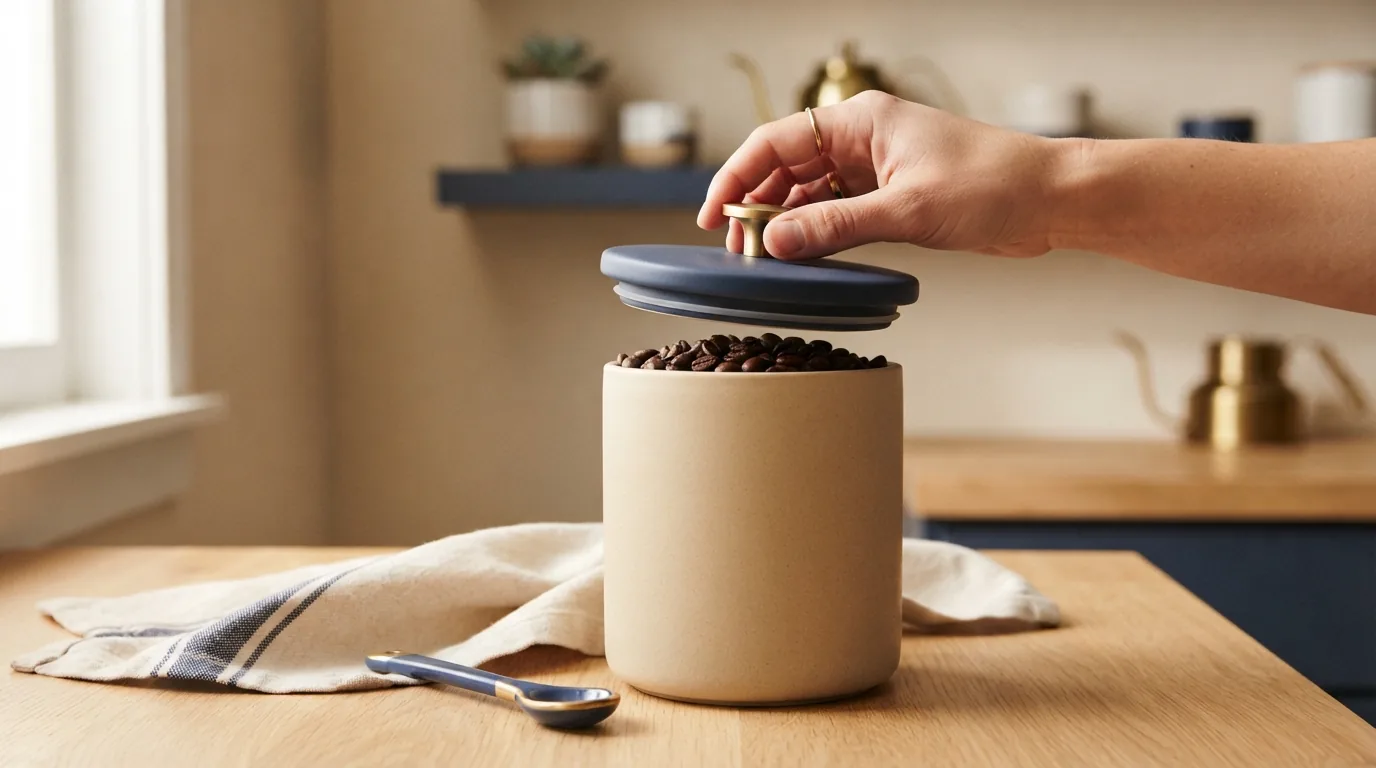
Fellow Atmos Vacuum Canister
Keeps beans usable through their full freshness window instead of staling and getting tossed, $37
Manual Grinders and the Case for Buying Less, Better
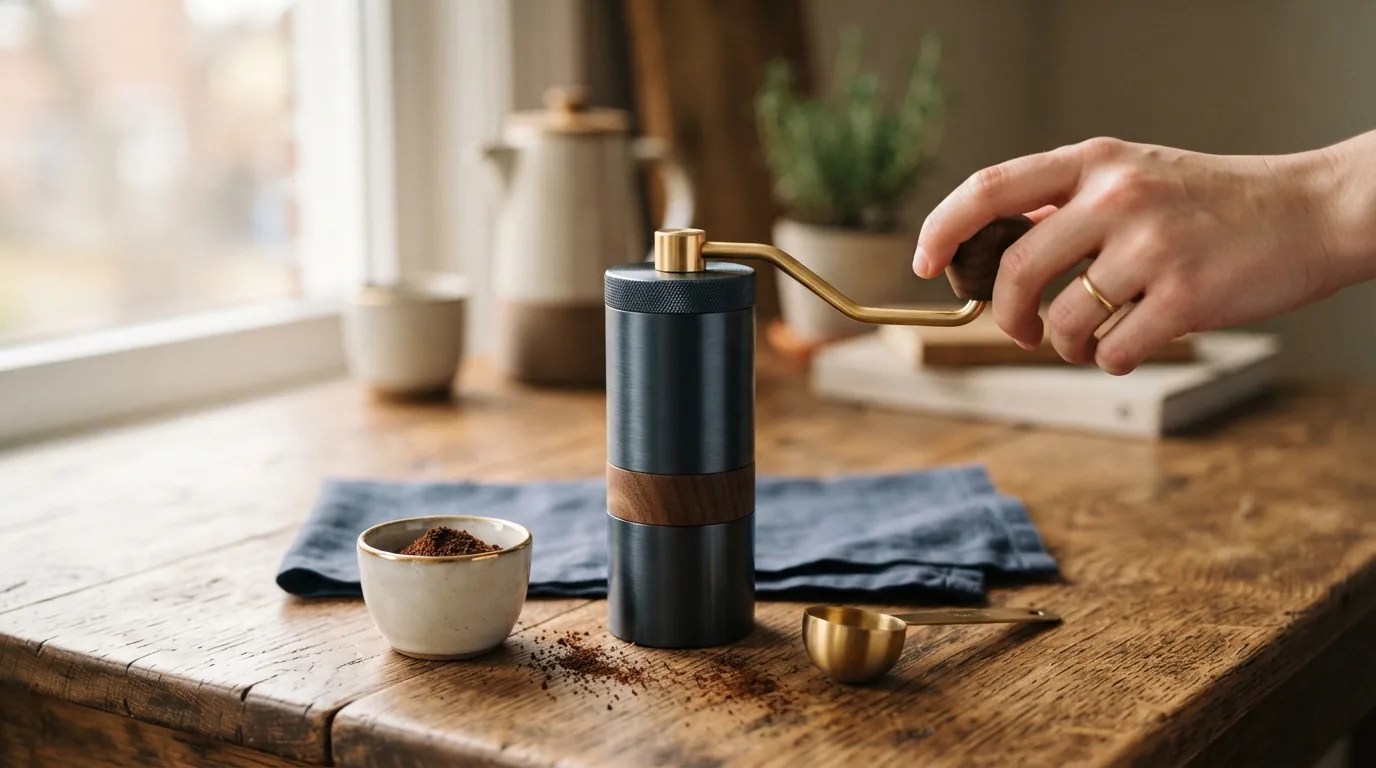
A well-built manual hand grinder or a genuinely durable electric one, maintained and used for a decade, produces far less waste over its lifetime than replacing a cheap grinder every year or two as burrs dull and motors fail. The most sustainable version of nearly any piece of coffee gear is usually just the well-built version, bought once. Our best manual hand grinders 2026 guide covers grinders built specifically for that kind of longevity, with replaceable, sharpenable burrs rather than a sealed unit meant to be discarded whole.
“The most sustainable piece of coffee gear you can buy is usually the well-built one you keep for a decade, not the compostable version of something you'll replace next year anyway.”
Filters: Reusable Metal vs Paper, Honestly
A reusable metal filter eliminates the ongoing paper waste of pour-over or drip brewing entirely, genuinely zero filters thrown away per cup, but it lets more oils and fine sediment through than paper does, which changes the cup's body and clarity. That's a real tradeoff, not a myth: metal filters produce a fuller-bodied, slightly murkier cup, while paper produces a cleaner one at the cost of a filter in the trash every single brew. Compostable paper filters split the difference reasonably well if your municipal composting actually accepts them, worth checking locally rather than assuming.
What's Mostly Marketing
Bamboo-handled tools and "eco" branding on otherwise standard plastic gear rarely move the needle on actual waste, since the environmental cost of a product is dominated by how long it lasts and whether it gets used, not the material of a handle. A plastic-handled tool used daily for ten years has a smaller real footprint than a bamboo one replaced every year because it wasn't built as durably. Judge gear on build quality and expected lifespan first; treat "sustainable" marketing language as a secondary signal at best.
Buying Beans With Sourcing in Mind
Waste reduction at home is one half of the picture; where beans come from is the other, and it happens well before any gear enters the equation. Direct-trade relationships between roasters and individual farms, increasingly common and increasingly disclosed on bags themselves, tend to correlate with better-paid growers and more consistent quality than anonymous commodity sourcing, since a roaster with a direct relationship has both the information and the incentive to maintain it. Our coffee processing methods explained guide covers how to actually read that sourcing information once it's printed on a bag.
A Realistic Starting Point, Not an All-or-Nothing List
None of this requires replacing an entire setup at once, and trying to fix everything simultaneously is a common reason sustainability changes don't stick. Pick the single highest-impact gap in your own routine, a pod machine running through capsules daily, beans regularly going stale before the bag empties, a grinder already on its second replacement in three years, and address that one thing well before moving on to whatever comes next on the list, rather than trying to overhaul the entire routine in one weekend.
Where to Start
If you're making one change, a genuinely airtight canister and an accurate scale address the largest, least visible waste source, wasted coffee itself, before anything about packaging matters at all. Our best airtight coffee storage canisters 2026 guide and best coffee scales 2026 guide are the two most practical starting points covered on this site.