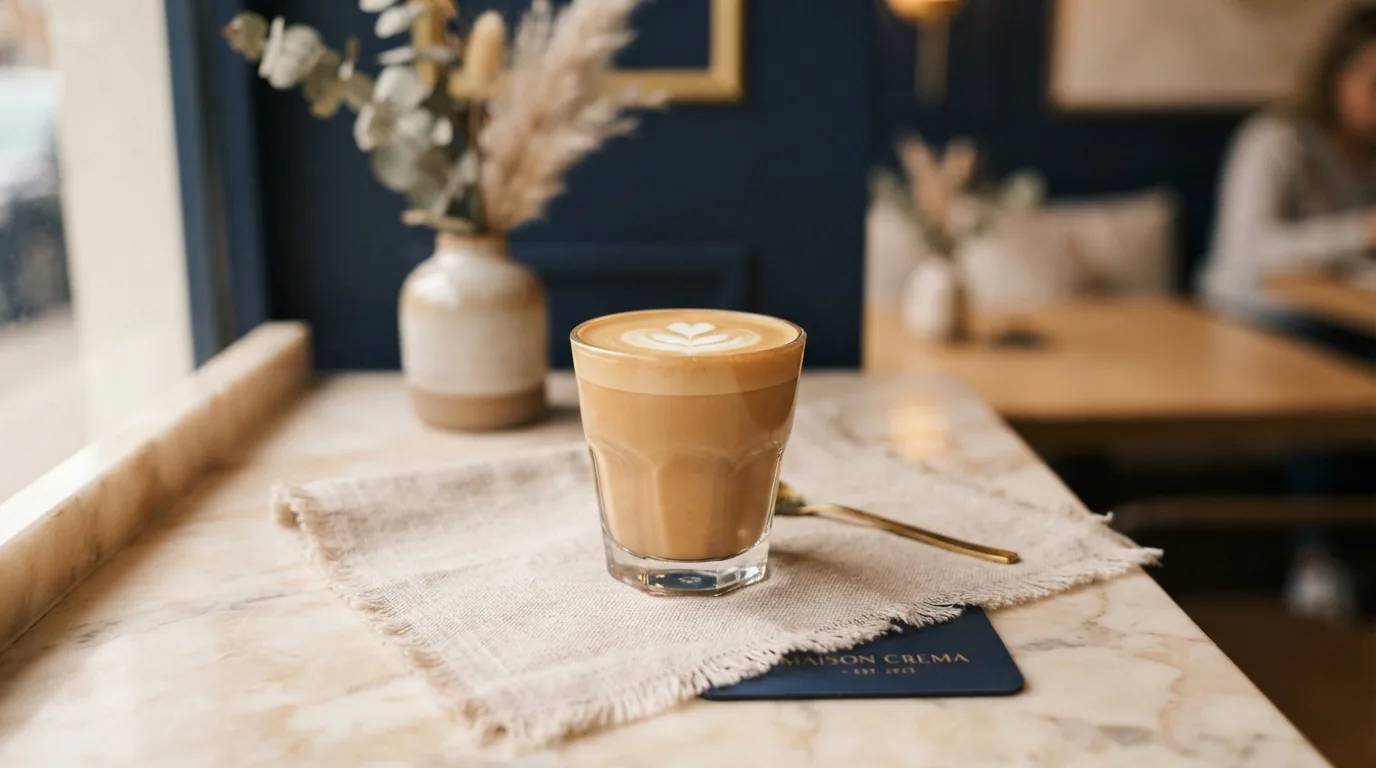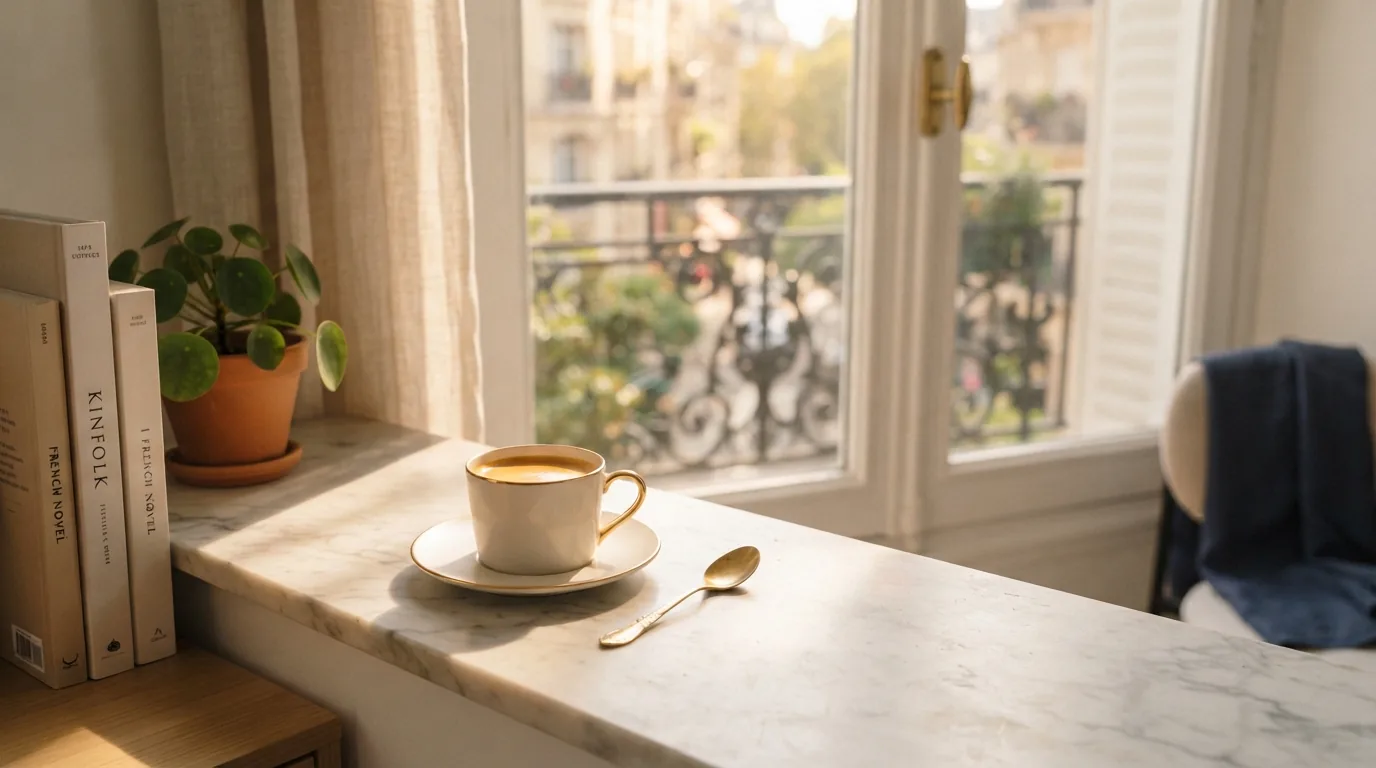
An espresso cup isn't just a smaller mug. Cup shape, wall thickness and material all measurably change how a shot presents, from how quickly it cools to how the crema holds together on the surface. A thin-walled cup pulls heat out of a shot fast, flattening the flavor within a minute or two; a thick-walled, preheated cup holds temperature far longer and lets the shot's aromatics actually develop the way the barista intended.
This is a genuinely cheap upgrade, and one of the few in the entire home espresso hobby that changes the experience without touching the machine, grinder or beans at all.
Best Espresso Cups & Demitasse 2026: The Rankings
Loveramics Egg Espresso Cup & Saucer
High-fired porcelain at 1300°C, thick-walled egg shape favored by professional baristas, 2.7oz, $24.95
Nuova Point Milano Espresso Cup & Saucer, Set of 6
Heavyweight Italian-style porcelain with thick walls built for long heat retention, tulip shape, matching saucers, $39.99
Why Wall Thickness Changes the Shot
A thin, delicate cup looks elegant but pulls heat out of a two-ounce shot within a minute, which matters enormously for espresso specifically since the whole serving is gone in three or four sips. Thick-walled porcelain, like both picks here, acts as thermal mass: it holds more heat once preheated and releases it more slowly, keeping the shot closer to its ideal drinking temperature for the entire time it takes to drink it.
Why the Egg Shape Shows Up So Often in Specialty Cafes
The tapered, egg-like shape used by both picks above isn't just aesthetic. The narrower base concentrates crema and aromatics rather than letting them spread thin across a wide, flat-bottomed cup, and the shape is specifically credited with helping preserve the layered crema on top of a well-pulled shot longer than a straight-walled cup does. It's part of why this shape has become close to a professional standard in specialty cafes rather than a design trend.
“The cup doesn't change what's in the shot. It changes how long you actually get to taste it before the heat and crema are gone.”
Always Preheat the Cup
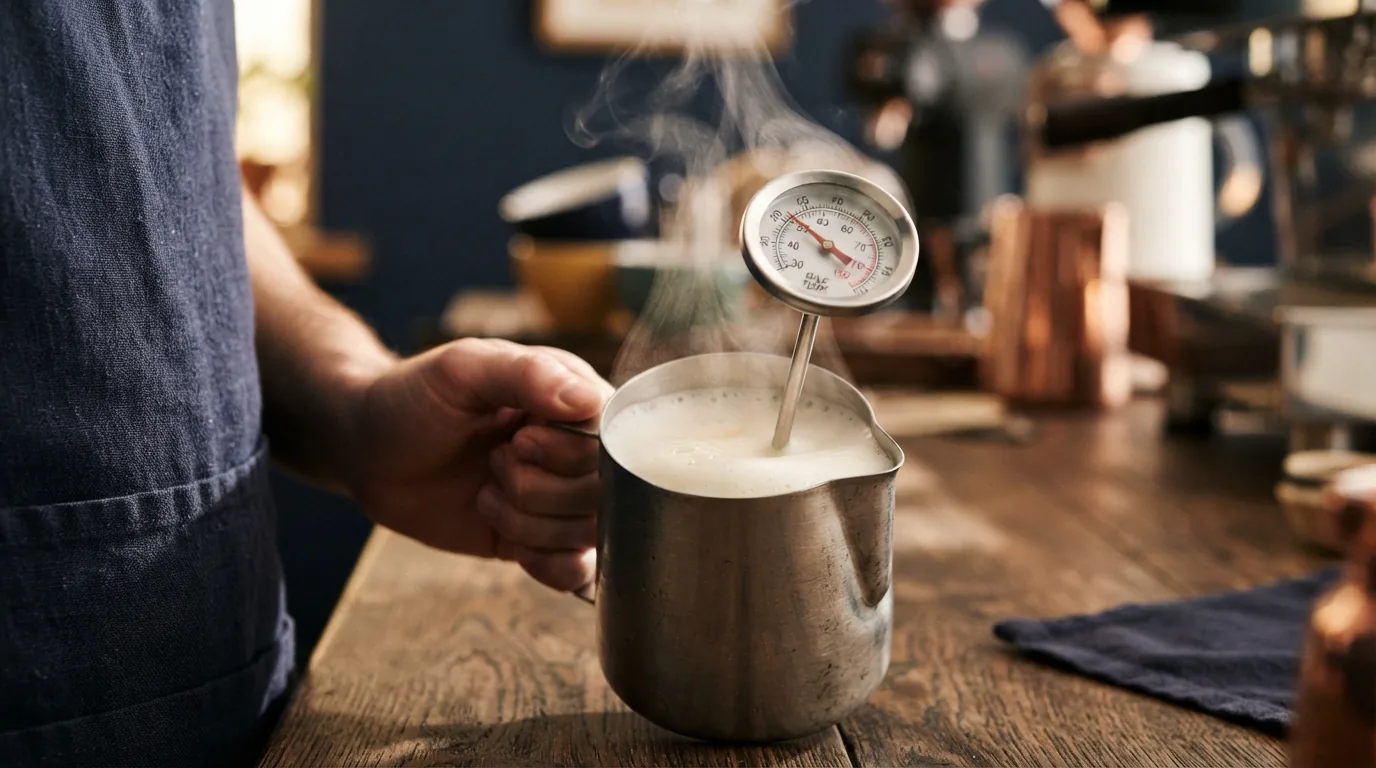
Pulling a 200°F shot into a room-temperature cup drops the coffee's actual temperature within seconds, undoing a meaningful amount of the machine's work before you've even tasted it. A quick rinse with hot water from the kettle, or resting the cup on top of the machine if it has a cup warmer, closes most of that gap and is standard practice behind any professional bar for exactly this reason.
Porcelain vs Glass vs Ceramic
High-fired porcelain, like both sets above, holds heat better and resists scratching and staining longer than standard ceramic or glass. Glass demitasse cups look striking and show off crema and layered drinks well, but lose heat the fastest of the three materials, making them a better fit for a quick photo-worthy pour than a shot meant to be savored over several minutes.
Pairing With the Rest of Your Setup
A great cup can't fix a bad shot underneath it. Our science of espresso extraction guide covers the variables that actually determine what's in the cup before it ever reaches the table.