The espresso martini has become one of the most ordered cocktails at bars nationwide over the past several years, and unlike most trending drinks, its popularity has genuinely spilled over into home coffee culture. It's one of the few cocktails where the coffee itself, not just the liquor, determines whether the drink is actually good. Get the coffee wrong and no amount of good vodka fixes it. Here's the real recipe, the history, and why fresh espresso does something instant coffee simply can't.
A Little History
The espresso martini was created in London in the 1980s by bartender Dick Bradsell, reportedly after a customer asked for something that would wake her up and get her drunk at the same time. The original built on the classic vodka-and-coffee-liqueur pairing but added a shot of actual espresso, which is what gives the drink its defining feature: a thick, tan foam cap that sits on top like a miniature crema. That detail, real espresso, not coffee syrup or cold brew, is the entire reason the drink works, and it's the detail most home attempts get wrong.
The Recipe
The proportions are simple and haven't meaningfully changed since the original: 2 oz vodka, 1 oz coffee liqueur, and 1 oz freshly pulled espresso, with an optional 0.25 oz of simple syrup if you prefer it sweeter. Shake all of it hard with ice for about 15 seconds, longer and harder than you'd shake most cocktails, specifically to build foam, then double-strain into a chilled coupe glass. The traditional garnish is three whole coffee beans placed on top of the foam, a small piece of folklore said to represent health, wealth, and happiness.
Why Fresh Espresso Beats Instant Coffee
This is the detail that separates a good espresso martini from a flat, sad one, and it comes down to simple chemistry rather than snobbery. Freshly extracted espresso carries dissolved carbon dioxide and emulsified coffee oils from the extraction process itself. The same compounds responsible for crema on a normal shot. When you shake that espresso hard with ice, those trapped gases and oils whip into a genuinely stable foam that holds its shape in the glass. Instant coffee dissolved in hot water has none of that; it's just coffee flavor with no trapped gas or oil structure to aerate, which is why an instant-coffee version of this drink produces a much thinner, faster-collapsing foam no matter how hard you shake it.
Making Fresh Espresso Without a Full Machine
You don't need a full espresso setup on your counter to get this right. A manual portable espresso maker produces genuine pressurized extraction from hot water and ground coffee using nothing but a hand pump, no electricity, no boiler, no plumbing, which makes it a surprisingly practical tool to keep specifically for cocktail night, especially if your main machine lives in a different room from your bar cart.
Wacaco Nanopresso
18-bar manual pump extraction, compatible with ground coffee, no battery or electricity required, $86.90
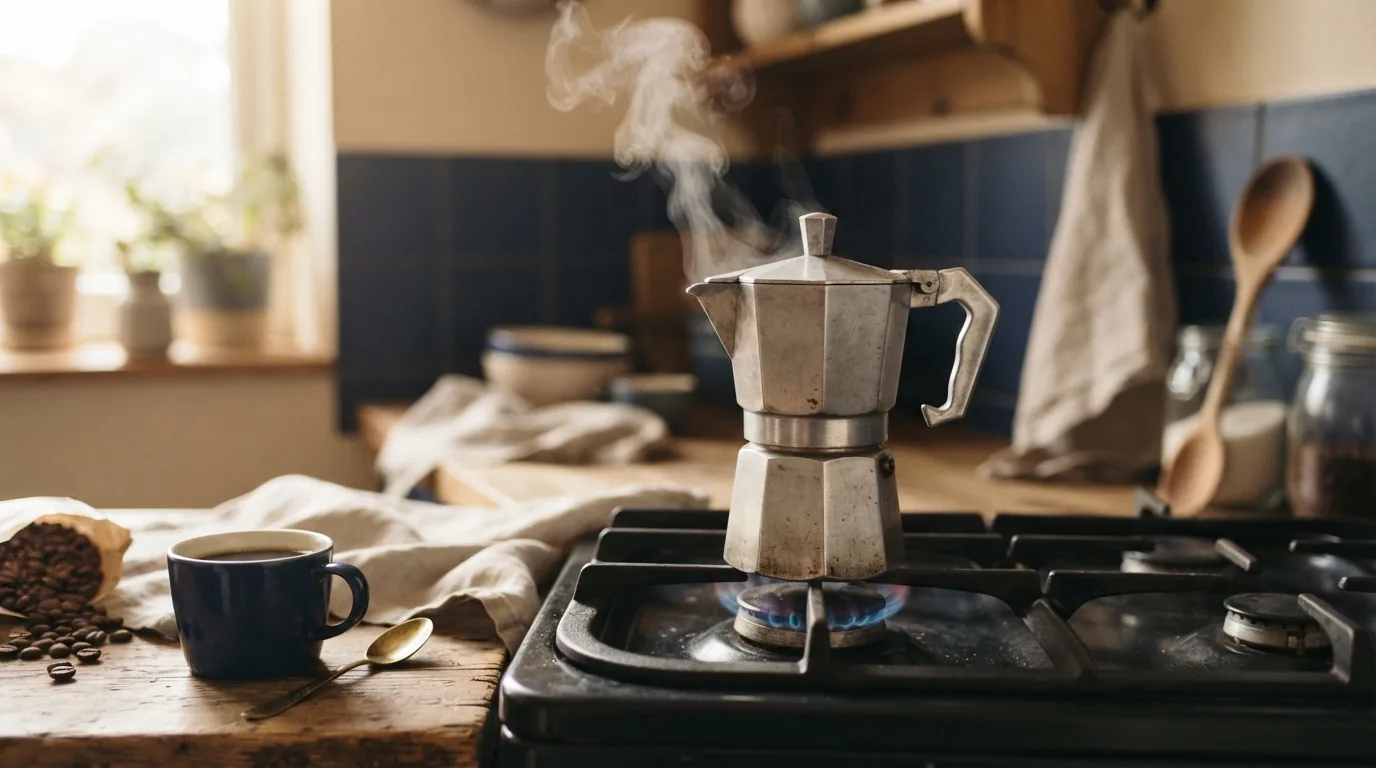
Pull the shot fresh right before you shake the cocktail. Espresso's foam-building compounds degrade within a couple of minutes of extraction, so there's no making it ahead of time and holding it on the counter. If you're building out a dedicated setup for this, our portable espresso maker guide covers the full lineup, and a stovetop moka pot is a perfectly good stand-in if you already own one, though its lower brewing pressure produces a slightly less pronounced foam than true espresso.
“An espresso martini isn't a coffee-flavored cocktail. It's a genuine espresso cocktail, and it only works if the espresso in it is actually espresso.”
Shaking Technique
Shake harder and longer than instinct tells you to. Most cocktails need 8 to 10 seconds of shaking; an espresso martini benefits from closer to 15, specifically because that extra time and force is what whips the espresso's oils and gas into a stable foam rather than just chilling the drink. Use a proper cocktail shaker with full-sized ice, not a handful of small cubes, which melt too fast and over-dilute the drink before the foam has fully formed.
A Few Variations Worth Trying
Swapping the coffee liqueur changes the drink more than most people expect. A lighter, less-sweet coffee liqueur lets the espresso's actual flavor come through more clearly than a heavily sweetened one. For a creamier texture without dairy, a splash of oat milk shaken in alongside the other ingredients softens the drink considerably. And for a genuinely good caffeine-free version, a strongly pulled shot of decaf espresso keeps the foam-building chemistry intact while cutting the caffeine essentially to zero. A real option, not a compromise, for anyone skipping the caffeine but not the ritual.
As with any cocktail, drink responsibly and know your own tolerance. The caffeine in the espresso can mask some of the alcohol's usual cues, which is worth being aware of. For the actual caffeine content in a standard espresso shot, see our caffeine in espresso vs. coffee guide.
Common Mistakes
Most home attempts fail for one of three predictable reasons. The espresso is too old. Pulled ten minutes before the drink instead of right before shaking, so the foam-building gases have already dissipated. The shake is too gentle. Treating it like any other cocktail instead of the harder, longer shake this specific drink actually needs to build a stable cap. Or the ratio is off. Too much coffee liqueur turns the drink cloyingly sweet and buries the espresso's bitterness, which is part of what makes the balance work in the first place. Fix those three variables before touching anything else, and most flat or overly sweet home versions correct themselves immediately.
Serving Temperature Matters More Than You'd Think
A properly made espresso martini should be served ice-cold, in a glass that's been sitting in the freezer or filled with ice water and dumped just before pouring. A room-temperature coupe glass warms the drink within minutes of pouring, which both dulls the flavor and collapses the foam cap faster than it would in a properly chilled glass. A small step that makes a noticeably bigger difference than most people expect from something so simple.