Ristretto, espresso and lungo all start from the exact same dose of the exact same grind, pulled on the exact same machine. The only variable that changes between the three is how much water passes through the puck before the shot stops, and that single variable is responsible for a genuinely large difference in flavor, body and caffeine concentration between three drinks that otherwise look nearly identical in the cup.
The Three Ratios, Defined
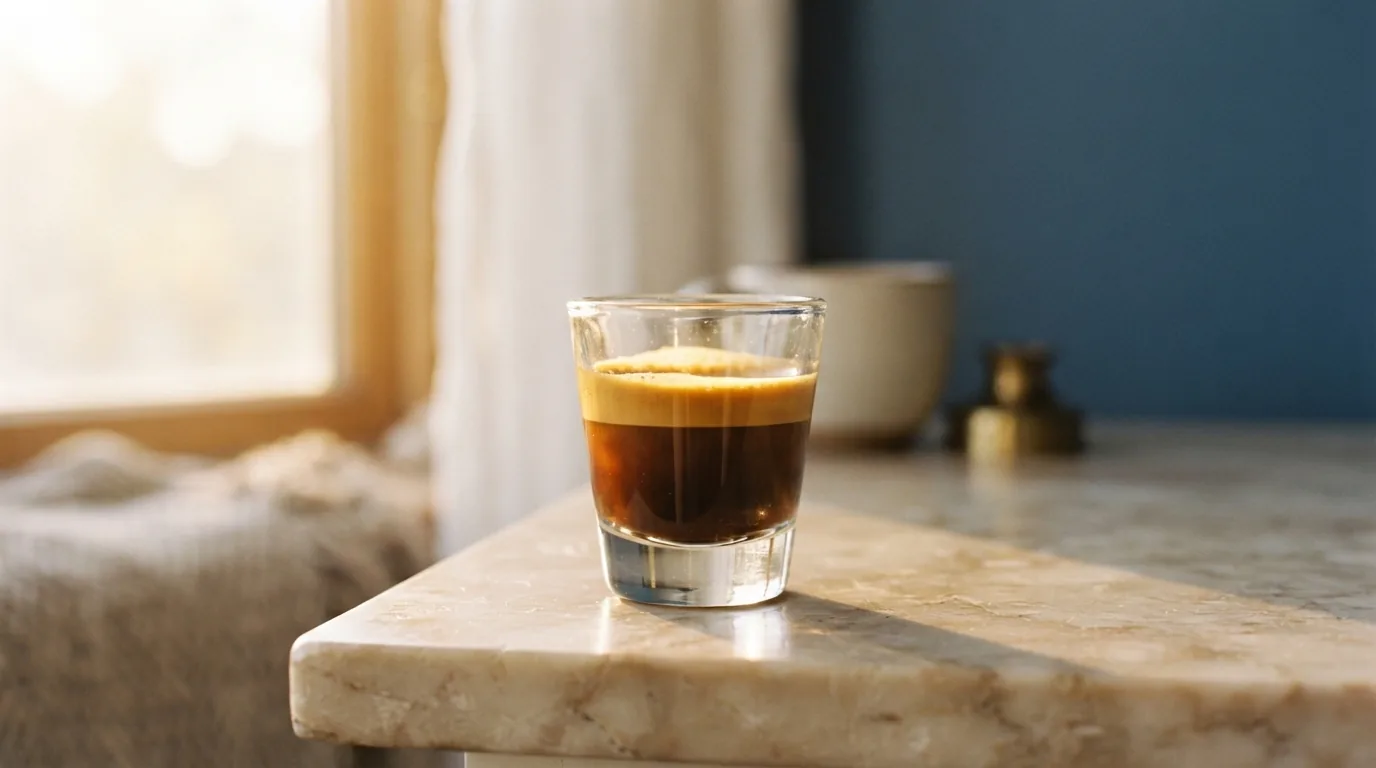
Espresso, the "normale" shot, is the baseline: a roughly 1:2 ratio, meaning about double the water by weight compared to the dry coffee dose, pulled in around 25 to 30 seconds. Ristretto, Italian for "restricted," uses closer to a 1:1 ratio, stopping the shot much earlier, typically 22 to 25 seconds, so less water ever passes through the same puck. Lungo, Italian for "long," goes the opposite direction, extending the pull to 45 to 50 seconds and roughly doubling the water again relative to a normal shot.
Why Ristretto Isn't Automatically More Bitter
It's a common assumption that a more "concentrated" shot means a stronger, harsher one, but ristretto typically tastes smoother and less bitter than a normal espresso, not more. Extraction pulls different compounds out of the coffee bed at different points in the shot: the early flow carries out sugars and acids, while the later stage of a pull increasingly carries bitter and astringent compounds. Stopping a ristretto early means it never reaches that later, more bitter stage at all.
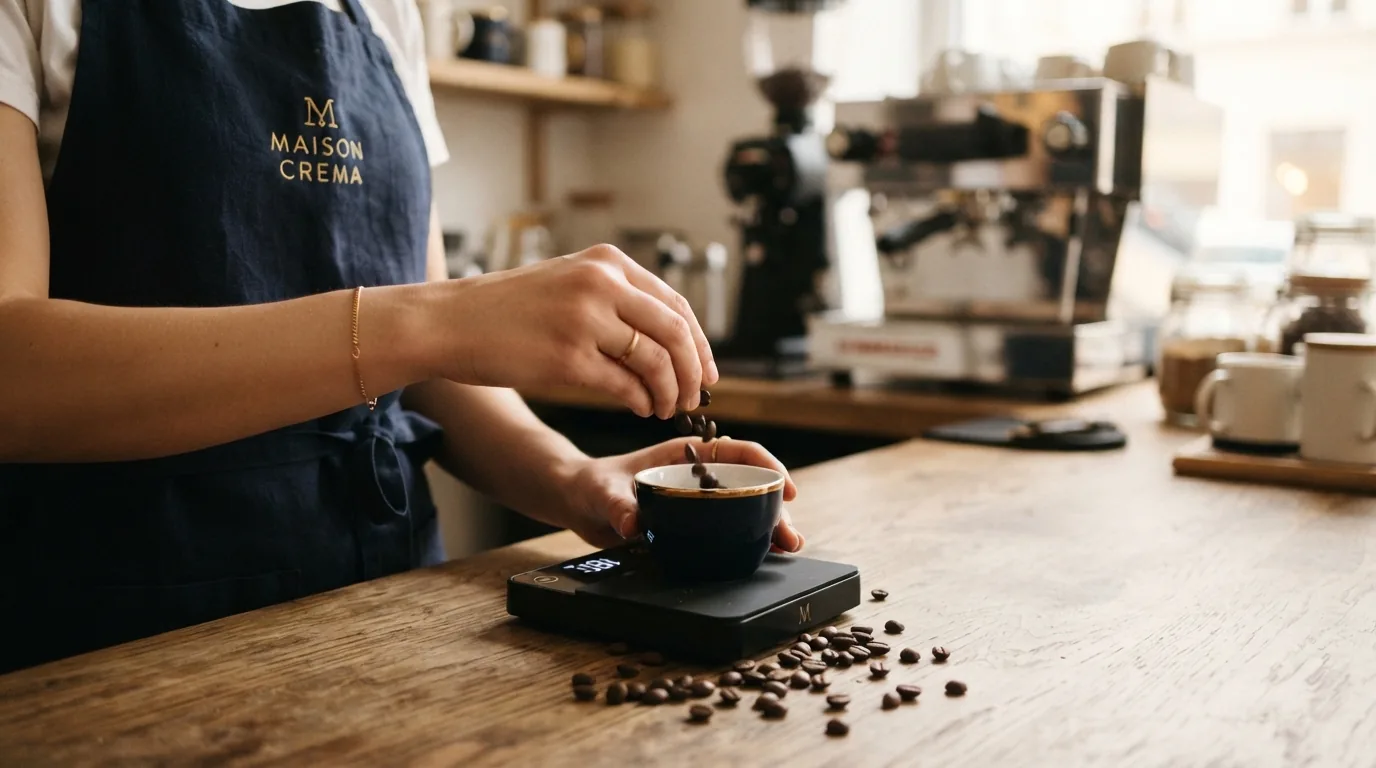
Acaia Pearl Coffee Scale
0.1g precision with a built-in auto-timer, the accuracy that separates a real ristretto from an underextracted shot, $200.00
Why Lungo Goes the Other Way
A lungo pulls well past where a normal shot would stop, continuing into the later stage of extraction that ristretto deliberately avoids. That extra time in contact with hot water pulls out more of those bitter, astringent compounds, which is why a lungo consistently tastes more bitter and less sweet than either a ristretto or a normal espresso, even though all three started from an identical dose and grind.
“Ristretto and lungo aren't stronger or weaker versions of espresso. They're the same shot, interrupted at two completely different points in its own extraction curve.”
The Caffeine Myth Worth Correcting
Ristretto is often assumed to have more caffeine because it's "concentrated," but caffeine extracts steadily and fairly early in a pull, while flavor compounds continue developing throughout. A ristretto, cut short, actually contains slightly less total caffeine than a full normale shot from the same dose, not more; a lungo, which runs longer, extracts marginally more. The concentration difference people notice is about flavor intensity per sip, not total caffeine in the cup.
Why Grind Size Has to Change With the Ratio
Pulling a ristretto on a grind set for a normal espresso will choke the shot, since the grind is now too fine for the shorter time and reduced water volume, producing a harsh, underdeveloped result rather than the smooth, concentrated one ristretto is known for. Most baristas grind slightly coarser for a ristretto and slightly finer for a lungo, adjusting for the different contact time rather than using one grind setting across all three. Our science of espresso extraction guide covers how grind size, dose and time interact more broadly.
Ordering Each One at a Cafe
Most cafes will pull a ristretto or lungo on request even if it's not printed on the menu, since it's the same base shot with the pull simply stopped earlier or later. If a cafe's espresso normally tastes harsh or overly bitter to you, asking for a ristretto is worth trying before writing off the espresso itself, since the difference in bitterness between the two can be significant from the exact same beans and machine.