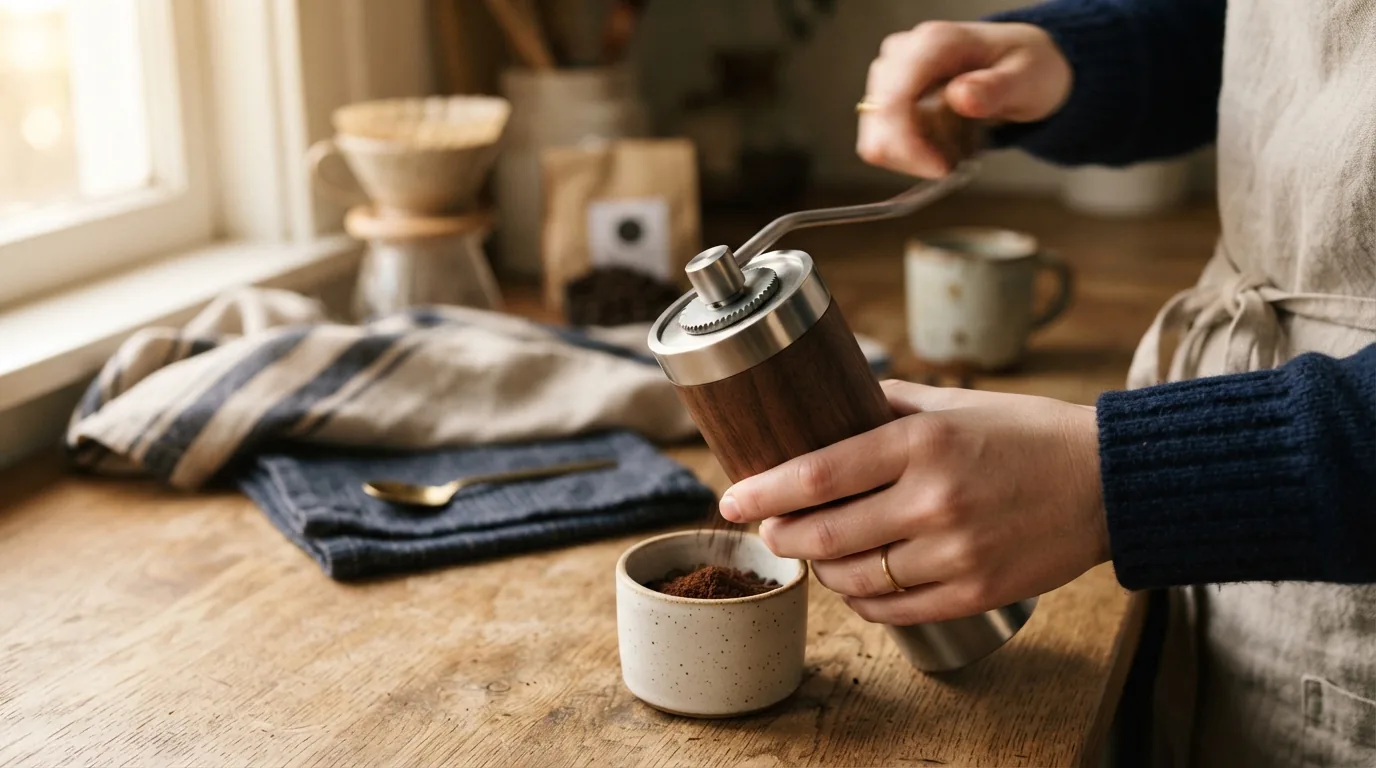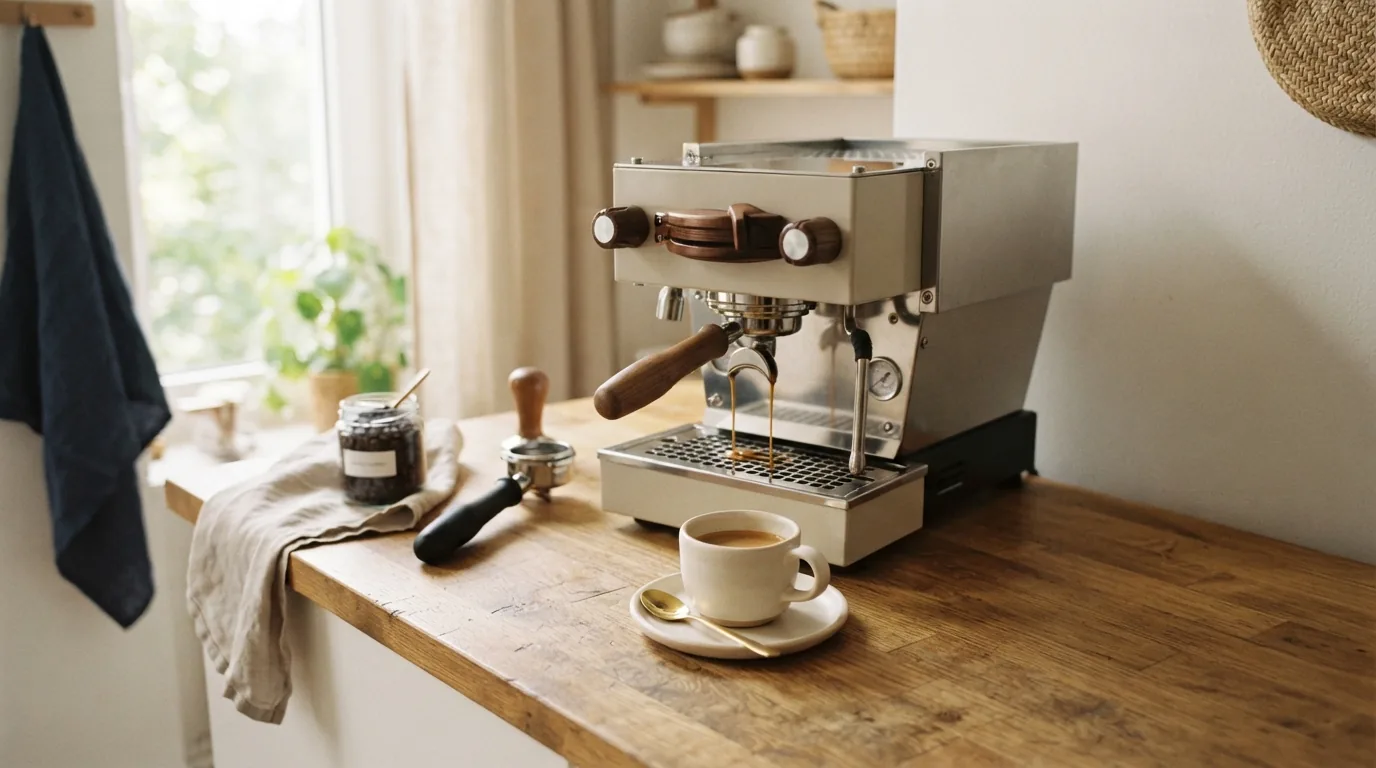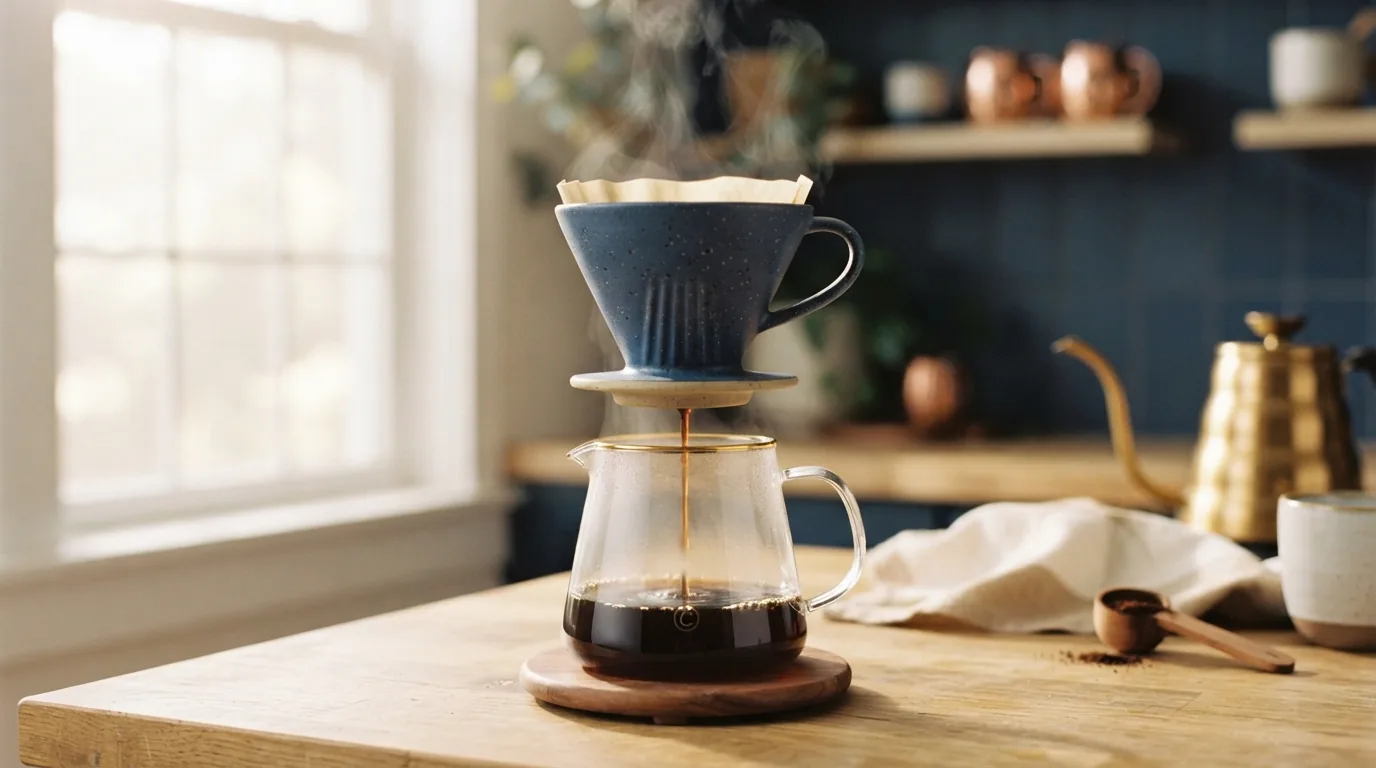
A grind-and-brew machine solves a specific, real problem: the gap between knowing that freshly ground coffee tastes better and actually grinding it at 6am. Putting a burr grinder inside the brewer removes the extra device, the extra counter space and the extra step, and for a lot of households that's the difference between grinding fresh every day and buying pre-ground.
The category's reputation suffers from a wave of cheap machines with blade grinders inside, which are genuinely not worth owning. Every pick below uses a real burr grinder, which is the line that separates this category from a gimmick.
Best Coffee Makers With Built-In Grinder 2026: The Rankings
1. Breville Grind Control ($399): Best Overall
The Grind Control is the machine that treats grinding as a variable rather than a fixed step. It lets you adjust grind size and grind amount independently, which almost nothing else in the category does, so you can change how fine the coffee is without also changing how much of it goes in. It brews at SCA-certified temperature, which is the industry benchmark for brewing within the 195°F to 205°F window where coffee actually extracts properly, and it's built for genuine daily use rather than occasional brewing.
Breville Grind Control Coffee Maker
Independently adjustable grind size and grind amount, SCA-certified brewing temperature, built for daily use, $399
2. De'Longhi TrueBrew (around $500): Best Bean-to-Cup Range
The TrueBrew is the most automatic machine here, and its distinguishing feature is range: it brews anywhere from a single travel mug to a full carafe from the same conical burr grinder and the same one-touch operation. If your household's coffee need swings between one person leaving early and four people sitting down on a Sunday, that flexibility is worth more than any single specification, and it's the thing a standard carafe brewer handles worst.
De'Longhi TrueBrew Drip Coffee Maker
Conical burr grinder, one-touch operation, brews from a single travel mug up to a full carafe, around $500
“A built-in blade grinder is worse than no grinder at all, because it convinces you the problem is solved. Burr or nothing is the only rule this category has.”
3. Cuisinart DGB-800 (around $200): Best Value
The DGB-800 is the machine that makes this category accessible without dropping to a blade grinder. It uses a real conical burr grinder, includes a programmable timer so it can grind and brew before you're awake, and hits proper brew temperature, which is genuinely all most households need. It's less adjustable than the Breville and less flexible than the TrueBrew, and for a straightforward daily carafe it costs a fraction of either.
Cuisinart DGB-800 Grind & Brew Coffee Maker
Real conical burr grinder, programmable timer for wake-up brewing, proper brew temperature, around $200
Burr vs Blade: The Only Spec That Disqualifies a Machine
A blade grinder chops coffee into wildly uneven fragments, producing dust and boulders in the same dose. The dust over-extracts into bitterness while the boulders under-extract into sourness, and you taste both at once in a cup that no brewing adjustment can rescue. A burr grinder crushes beans between two shaped surfaces at a set distance, producing far more uniform particles. Any grind-and-brew machine that doesn't specify a burr grinder is using a blade, and it's the one spec in this category worth treating as disqualifying.
What SCA-Certified Actually Means
The Specialty Coffee Association certifies brewers that hold water in the 195°F to 205°F range, use the right brew time and saturate the grounds evenly. Most cheap drip machines fail on temperature, brewing several degrees too cool and producing the flat, slightly sour cup people blame on their beans. It's a meaningful certification rather than marketing, and it's the reason an SCA-certified brewer tastes noticeably better than a supermarket machine with identical coffee. Our best drip coffee makers guide covers the certified machines without built-in grinders.
The Real Tradeoff Against Separate Machines
A built-in grinder is a convenience, not a performance win. A standalone burr grinder in the same total budget will generally offer finer adjustment, cleaner grind retention and the ability to serve every brew method you own rather than just the brewer it's bolted into. It's also independently replaceable: when a built-in grinder fails, you're usually replacing the whole machine. Choose integrated for the daily-habit benefit, separate for flexibility and longevity. Our best coffee grinders guide covers what the same money buys standalone.
Cleaning Is the Failure Point
Coffee oils build up in a built-in grinder's chute and burrs the same way they do in a standalone unit, except the chute is harder to reach and connects directly to the brew basket. Stale oil there taints every subsequent cup, and a clogged chute is the most common complaint across every machine in this category. Oily dark roasts accelerate it considerably, so a medium roast is the friendlier choice for any bean-to-cup grinder, and a scheduled clean of the chute is not optional maintenance here.
Who This Category Is Genuinely For
Households that brew a carafe daily, value counter space, and want fresh grinding to happen without a second device or a second decision at 6am. If you brew one cup at a time, care about dialing in, or already own a good grinder, separate machines will serve you better. If the realistic alternative is buying pre-ground because grinding is one step too many on a weekday, a burr-equipped grind-and-brew is a straightforward upgrade. Our home coffee bar setup guide covers where a machine like this fits into a working counter layout.