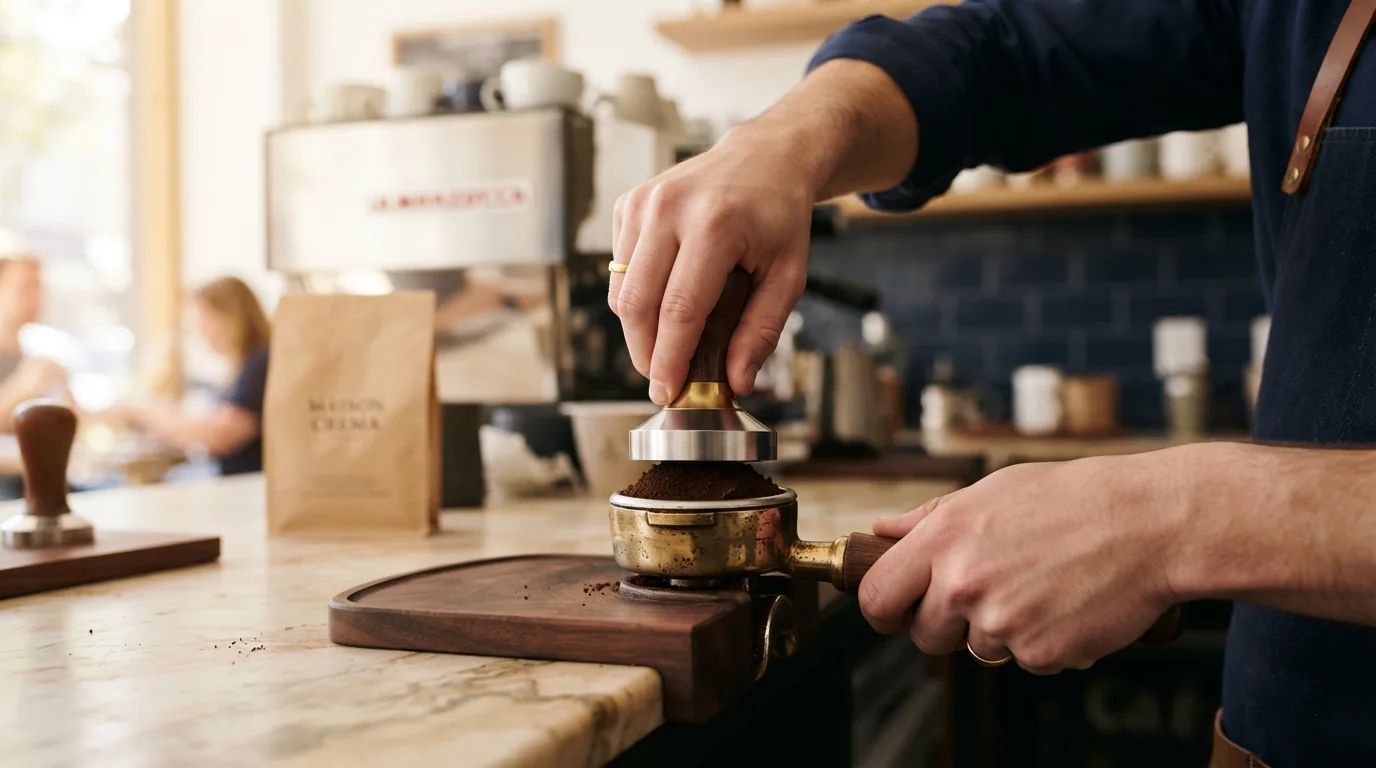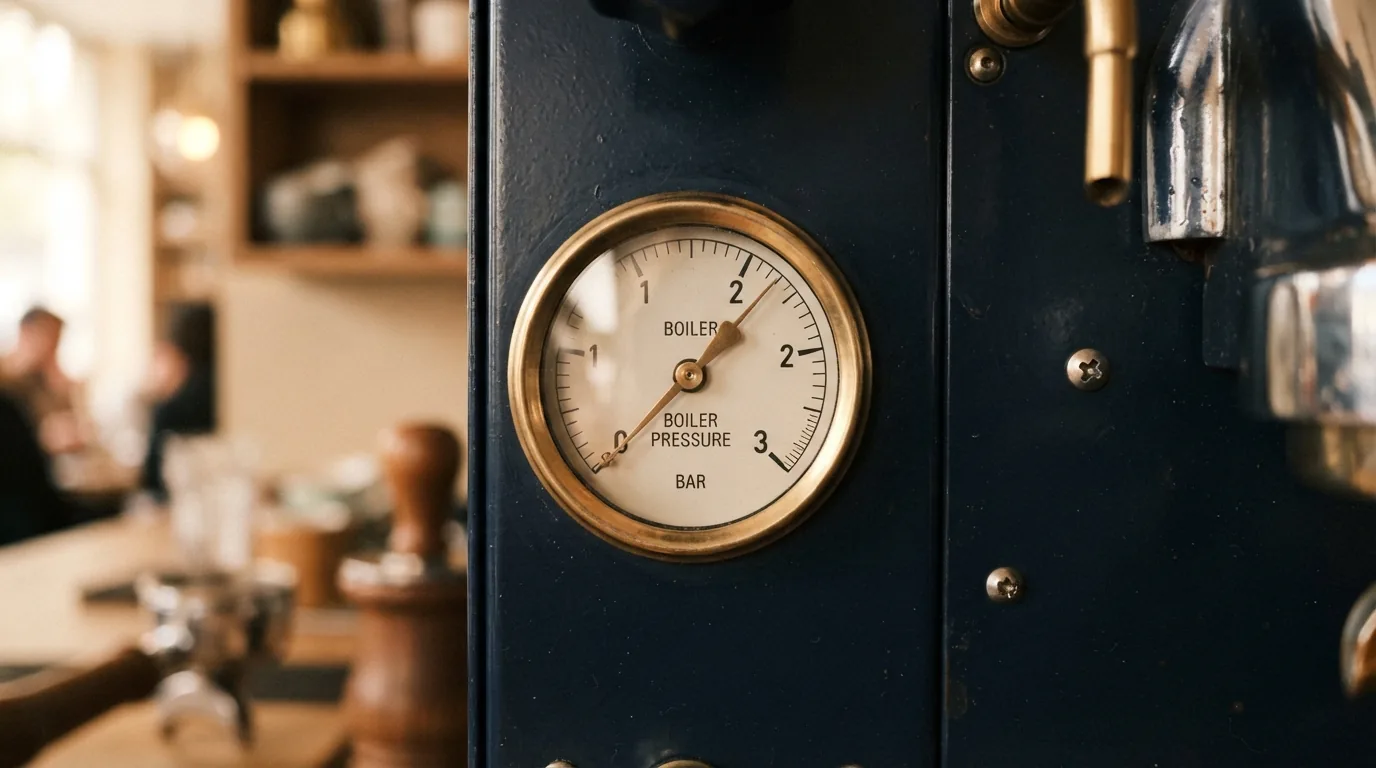
Descaling and backflushing solve two different problems, and it's worth being clear on which is which before buying anything. Descaling dissolves mineral scale building up inside the boiler and water lines from hard water, the same process a kettle needs periodically. Backflushing cleans coffee oil and residue out of the group head and internal valves using a cleaning powder or tablet, a job scale removal doesn't touch at all. A machine on a real maintenance routine needs both, on different schedules.
Our how to descale an espresso machine guide covers the full descaling routine and how often to run it. This guide is about the actual products worth keeping under the sink for both jobs.
Best Cleaning & Descaling Products 2026: The Rankings
Urnex Cafiza Espresso Machine Cleaning Powder
The industry-standard group head cleaner, removes coffee oil buildup from the group and portafilter baskets, 566g tub, $14.99
Puly Caff Plus Espresso Machine Cleaner
Formulated for automatic brew units and milk systems that don't have a manual backflush option, 32oz, $20.31
Why Group Head Cleaning Isn't Optional
Coffee oil left in the group head and portafilter baskets goes rancid over time, and it doesn't just taste bad on its own, it contaminates every shot pulled afterward with a stale, bitter note that no amount of grind or dose adjustment fixes. If your espresso has started tasting flat or off despite fresh beans and a clean dial-in, a backflush is usually the first thing to try before troubleshooting anything else.
How Backflushing With Cafiza Actually Works
On a machine with a three-way solenoid valve, a blind (solid) basket replaces the normal basket in the portafilter, a small amount of Cafiza powder goes on top, and the group is run in short pulses. The chemical detergent action, combined with the pressure cycling, forces cleaning solution back through the internal valve and drain rather than through the coffee. Most home machines with this valve type need this weekly with regular use; check your specific machine's manual, since not every semi-automatic has a three-way valve capable of backflushing at all.
Why Super-Automatics Need a Different Product
Machines without a manually accessible group head, meaning most super-automatics and all built-in units, run their own internal cleaning cycles instead. Puly Caff Plus is formulated for exactly that: a cleaner that runs through the machine's own automated program rather than requiring a blind basket and manual backflush the machine physically can't do. Using a manual backflush powder in a machine without the right valve setup doesn't work and can leave residue with nowhere to drain.
“Descaling protects the machine. Backflushing protects the shot. Skipping either one eventually shows up in the cup, just on a different timeline.”
How Often Each Job Actually Needs Doing
Backflushing on a daily-use semi-automatic machine is generally a weekly job. Descaling frequency depends far more on your water hardness than on how often you use the machine, ranging from monthly in genuinely hard-water regions to every two to three months with soft or filtered water; our dedicated descaling guide covers how to tell which schedule applies to your setup.
Filtered Water Reduces the Descaling Burden, Not the Backflushing One
It's a common misconception that a good water filter eliminates the need to clean a machine. Filtration reduces mineral scale buildup, which cuts down how often descaling is needed, but it does nothing about coffee oil residue in the group head, which comes from the coffee itself rather than the water. Our best water filters for espresso machines guide covers the scale side specifically; backflushing stays on its own schedule regardless of what's coming out of your tap.
Building a Simple Maintenance Routine
The realistic version of a maintenance routine most people actually stick to: a quick daily wipe-down and purge, a weekly backflush with Cafiza if your machine supports it, and a descaling cycle on whatever schedule your water hardness demands. Writing the descaling date somewhere visible, even just a sticky note on the machine, solves the most common failure mode here, which isn't skipping maintenance on purpose but simply losing track of when it was last done.