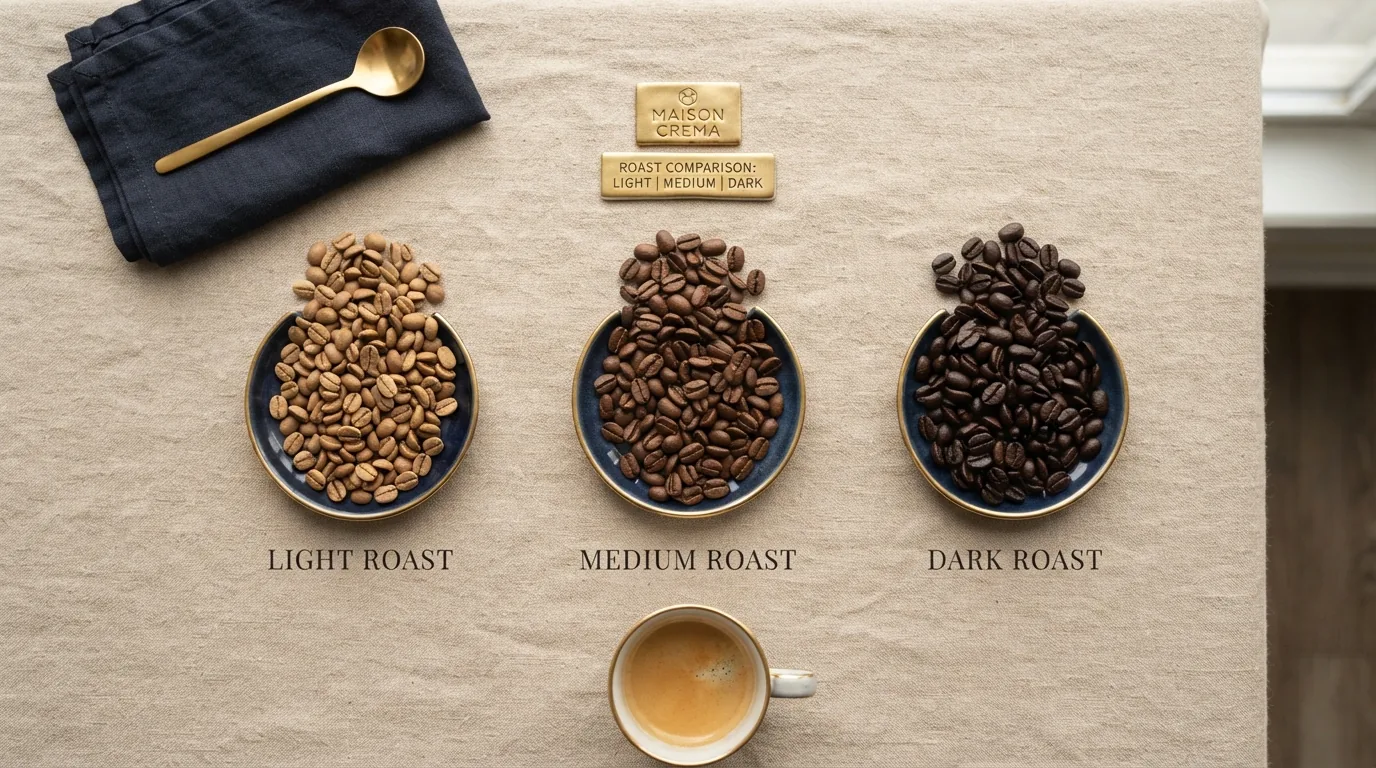
The same green coffee bean can become two noticeably different products depending entirely on how it's roasted, and roasters have split that decision into two broad profiles: filter roast and espresso roast. Buy a bag labeled for the wrong method and the bean itself isn't the problem, the roast underneath it is.
What Actually Changes During Roasting
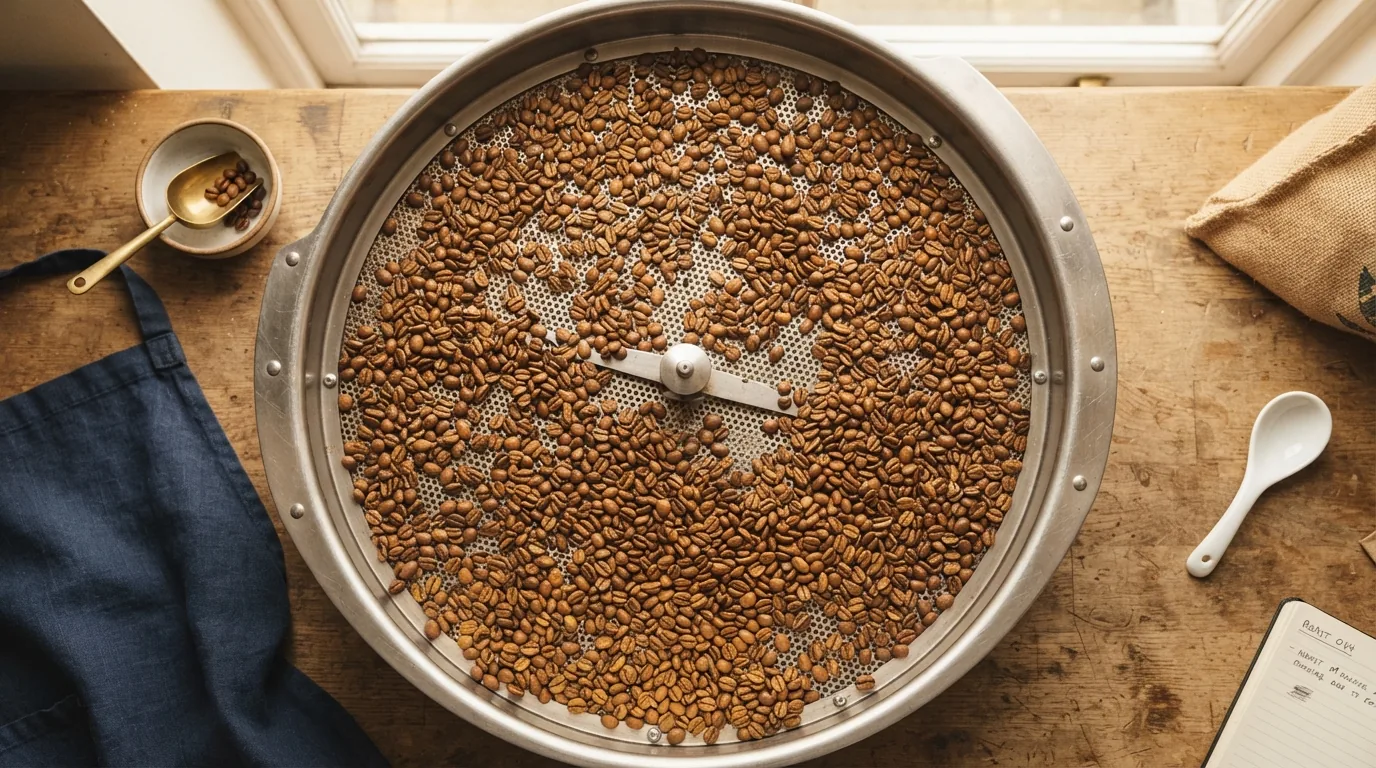
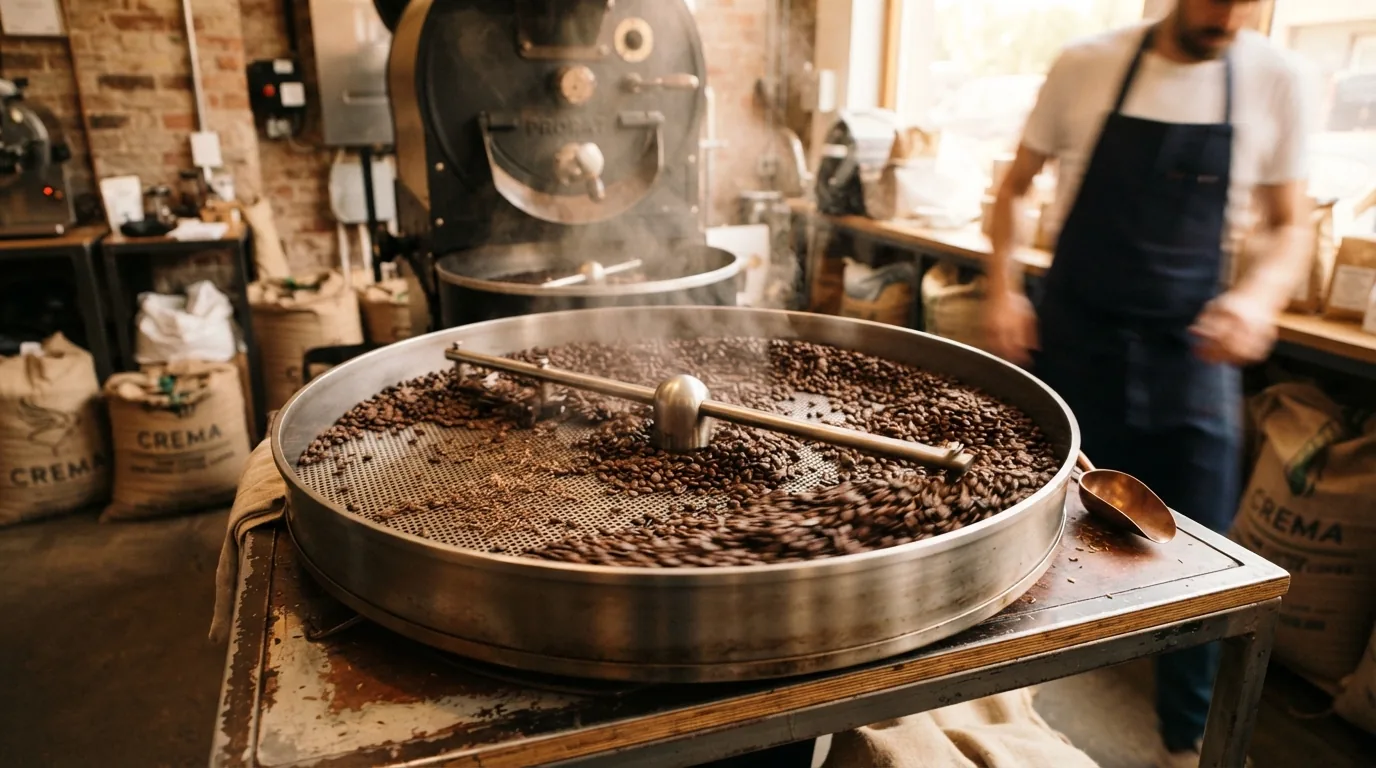
A filter roast is pulled off the roaster earlier, shortly after the audible "first crack," the point where the bean's internal structure fractures under heat and pressure. An espresso roast continues past that point, developing longer at a higher sustained temperature, pushing the bean further into the roasting process before it's cooled. Roasters also commonly use a slightly lower charge temperature for filter roasts to allow a gentler early ramp that preserves more delicate aromatic compounds, while espresso roasts sometimes start hotter to build the momentum needed for that longer development phase.
Baratza Encore ESP Grinder
Dual-range 40-step burr set tuned to handle both a lighter filter roast and a darker espresso roast on the same grinder, $199
Why Filter Roasts Taste the Way They Do
Stopping a roast earlier preserves more of the green bean's original acidity and origin-specific character, which is exactly why filter roasts tend to showcase fruity, floral or nutty notes that are specific to where the coffee was grown. That lighter roast level lets the bean's inherent characteristics shine through rather than getting overridden by the flavor compounds that develop from the roasting process itself, which is the entire point of a light-roast, single-origin filter coffee in the first place.
Why Espresso Roasts Go Further
Pushing a roast further extends bean development specifically to round off sharp acidity and build a smoother, more balanced flavor with heavier body, which matters more for espresso than for any other brew method. Espresso concentrates flavor into a small, intense two-ounce serving brewed under high pressure in under thirty seconds, and a bean that tastes bright and acidic at filter strength can taste sharp and unpleasant at that concentration. The darker roast profile is a direct response to how differently pressure brewing presents flavor compared to gravity-fed drip or pour-over.
“A roaster isn't choosing a darker roast for espresso because dark tastes better. They're compensating for how much more intense every flavor becomes once you concentrate it into two ounces under nine bars of pressure.”
What Happens If You Use the Wrong One
Brew a true espresso-roast bean through a pour-over or drip method and the result tends to taste flat and one-dimensional, since the origin character that makes filter coffee interesting has already been roasted out in favor of body and reduced acidity. Run a true light filter-roast bean through an espresso machine and the opposite problem shows up: the shot pulls thin, sour and underdeveloped, since the bean hasn't been roasted long enough to build the body and reduced acidity that pressure brewing needs to taste balanced. Neither bean is defective; they're simply built for a different brewing method than the one being used.
Solubility and Extraction Speed
Longer, hotter roasting also makes a bean's cell structure more porous and soluble, which is part of why espresso roasts extract faster and more evenly under pressure than a lighter filter roast would if you tried to pull espresso from it. That increased solubility is a deliberate part of the espresso-roast profile, not a side effect, since a thirty-second shot needs a bean that gives up its flavor quickly under pressure in a way a slower four-minute pour-over never has to.
Medium Roasts and the Blurry Middle
Not every bag falls cleanly into one category or the other. Many roasters sell a medium roast explicitly marketed as flexible across both brewing methods, a genuine compromise that sacrifices a little of the acidity clarity a true filter roast offers and a little of the body a true espresso roast offers. That's a reasonable choice for a household brewing both methods from the same bag, but it's worth knowing it's a compromise rather than assuming a "medium roast" label means it performs identically to a dedicated roast in either direction.
How to Actually Read a Bag
Roasters that take this distinction seriously will usually label a bag explicitly as "espresso roast" or "filter roast" rather than leaving buyers to guess from roast level alone, and it's worth trusting that label over your own guess at the bean color through the bag. Our coffee processing methods guide covers the earlier step, what happens to the bean before it's ever roasted, and our home coffee roasting guide covers what it takes to control this variable yourself.