The single biggest lever on your shot's flavor isn't your machine or your grinder, it's the bag of beans behind both of them. Espresso-roast blends are built differently than beans meant for drip or pour-over, usually a touch darker and blended specifically to hold up under high pressure and short contact time, and picking the right one matters more than almost any equipment upgrade you could make instead.
What Makes a Bean "Espresso Roast" in the First Place
There's no strict legal definition, but espresso-roast beans are generally blended and roasted specifically to produce a balanced, syrupy shot under pressure rather than a brighter cup meant for a longer, gentler brew. Many espresso blends combine beans from multiple origins deliberately, using each component's strengths, body from one origin, sweetness from another, to build a specific, repeatable flavor profile rather than showcasing a single farm's character the way a single-origin filter roast usually does.
Best Whole Bean Coffee for Espresso 2026: The Rankings
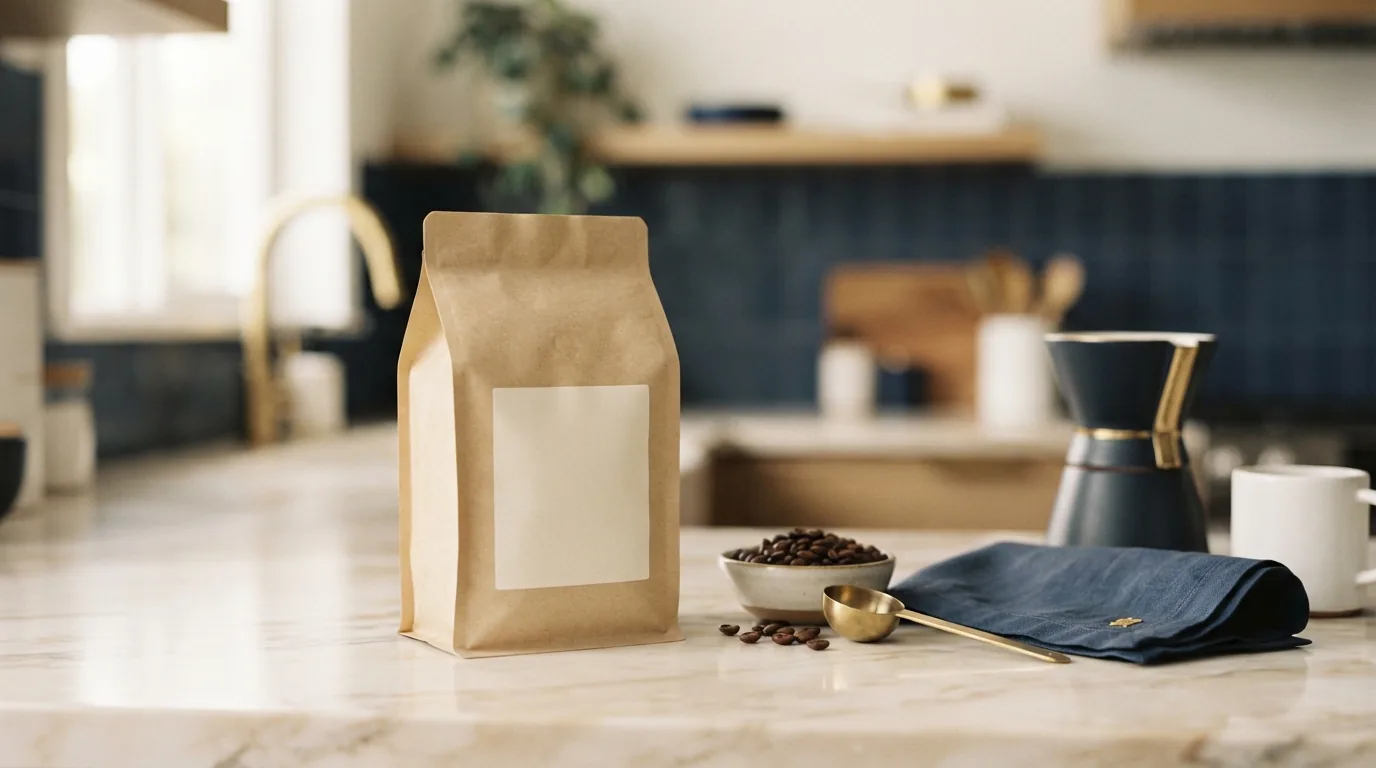
1. Lavazza Super Crema, Whole Bean, 2.2lb ($26.99): Best Overall Value
An Italian blend that's been a café and home-espresso staple for decades, built around a mix of Arabica and Robusta beans specifically for a thick, long-lasting crema and a mellow, nutty sweetness that's forgiving of imperfect dial-in. Its large 2.2lb bag size also makes it one of the better per-shot values in specialty-adjacent espresso coffee.
Lavazza Super Crema Whole Bean Coffee, 2.2lb
Arabica and Robusta blend, medium roast, built for thick, lasting crema, $26.99
2. Stumptown Hair Bender, Whole Bean, 12oz ($19.99): Best Specialty Pick
A cult-favorite blend from Portland's Stumptown Coffee Roasters, built from beans across Latin America, East Africa and Indonesia. Notably brighter and more complex than a traditional Italian-style blend, with berry and citrus notes layered over a chocolatey base. A better fit for drinkers who want their espresso to taste distinctly fruit-forward rather than purely rich and heavy.
Stumptown Hair Bender Whole Bean Coffee, 12oz
Multi-origin blend, medium roast, notably bright and fruit-forward for an espresso roast, $19.99
“A better grinder narrows the gap between mediocre beans and great ones. It never closes it. The beans set the ceiling everything else works underneath.”
Single-Origin vs Blend for Espresso
Both picks above are blends, and that's a deliberate choice for espresso specifically. A well-built blend is engineered for balance under pressure, body from one origin, acidity from another, sweetness from a third, in a way a single farm's beans don't always achieve on their own. Single-origin espresso has become more common at specialty cafés in recent years and can produce genuinely distinctive, showcase-worthy shots, but it tends to be less forgiving of small dial-in errors than a blend built specifically to smooth those variables out. For anyone still refining their technique, a blend is the more consistent starting point.
How Much Should a Bag Actually Cost
Specialty-grade espresso beans generally run somewhere between $14 and $22 for a standard 12oz bag, with large-format blends like Super Crema offering a lower effective per-shot cost simply due to bulk sizing. Beans priced dramatically below that range are worth a second look at their roast date and sourcing transparency, since genuine quality green coffee, the sourcing and labor behind it, has a real cost floor that unusually cheap bags often cut corners to get under.
Roast Date Beats Roast Level Every Time
Neither of the picks above is meaningfully "fresher" than the other on the shelf, since both are roasted to order by specialty-scale operations rather than sitting in a warehouse for months. But once a bag reaches your counter, the same freshness rules apply regardless of brand. Beans taste best roughly 4 to 14 days after roasting, and grinding only what you need per shot matters more than which of these two blends you chose in the first place. Our coffee bean storage guide covers the full routine for protecting that freshness window.
Whole Bean, Always, If You're Serious
Both picks are sold whole bean rather than pre-ground, and that's intentional. Ground coffee stales dramatically faster than whole beans once its surface area is exposed to oxygen, often noticeably flatter within days rather than weeks. A decent grinder is a genuinely necessary companion purchase to either of these blends, not an optional upgrade. Our best coffee grinders 2026 guide covers options across every price point, and our science of espresso extraction guide walks through dialing in grind size once you've picked a bag.
Decaf and Half-Caf Alternatives
If caffeine intake is a factor, both of these picks have a reasonable decaf parallel worth considering instead. See our decaf coffee guide for the actual decaffeination methods behind modern decaf, and for how to blend regular and decaf beans into a half-caf routine without sacrificing the ritual of a real shot.
One last note worth stating plainly: there's no single "correct" espresso bean, only the one that matches what you actually want in the cup. Someone who loves a rich, chocolatey, low-acid shot will be happier with Super Crema every time, regardless of how well-reviewed a bright, fruit-forward blend is elsewhere. Treat the rankings above as a starting point for your own palate, not a verdict to follow blindly.