Almost every specialty coffee shop worth visiting today, including most of the shops in our city guides, describes itself using language that traces back to a specific, datable movement. "Single-origin," "direct trade," "light roast," "the barista as craftsperson," none of that vocabulary existed in its current form before the late 1990s. Understanding where it came from explains why a $6 pour-over exists at all.
First Wave: Coffee as Convenience
The first wave covers roughly the postwar decades, when coffee became a mass-market, largely instant or canned product sold on convenience and price rather than origin or quality. Brands competed on availability and consistency, not flavor complexity, and the idea of asking where a bag of coffee actually came from wasn't part of how most people bought it.
Second Wave: Peet's, Starbucks, and the Rise of the Cafe
The second wave began to take shape with Alfred Peet, who opened Peet's Coffee in Berkeley in 1966 and introduced American drinkers to darker-roasted, higher-quality arabica beans sourced with more attention to origin than the first wave had bothered with. Starbucks, founded in Seattle in 1971 and initially selling beans rather than drinks, expanded that shift nationally, building the cafe as a destination and introducing espresso drinks to a mass American audience for the first time. The second wave gets less credit than it deserves for laying groundwork the third wave later built on directly.
Breville Barista Express Impress
Built-in conical burr grinder and assisted tamping, the base every third-wave-style shot at home starts from, $699.95
The Term "Specialty Coffee" Predates the Third Wave Itself
In 1974, coffee broker Erna Knutsen used the word "specialty" in the Tea & Coffee Trade Journal to describe beans grown in specific microclimates with distinctive, superior flavor, decades before the term became a marketing standard. Knutsen's original definition, coffee tied to a specific place and quality level rather than a generic commodity grade, is still functionally the definition specialty coffee uses today.
Third Wave: Quality, Origin, and the Barista as Craftsperson
The phrase "third wave coffee" first appeared in print in Timothy J. Castle's December 1999 article for Tea & Coffee Asia, but it was Trish Rothgeb's December 2002 article in The Flamekeeper, a newsletter published by the Specialty Coffee Association's Roasters Guild, that's most widely credited with defining and popularizing the term. Rothgeb, writing while working at a roasting company in Oslo, laid out the three-wave framework still used to describe the industry today: a movement built around single-origin sourcing, lighter roasting that preserves origin character, direct relationships with farmers, and treating both roasting and brewing as a genuine craft rather than a service.
“The third wave didn't just change what coffee tastes like. It changed who gets asked where the beans came from, and that question didn't really exist as a consumer expectation before 2002.”
What Actually Changed in Practice
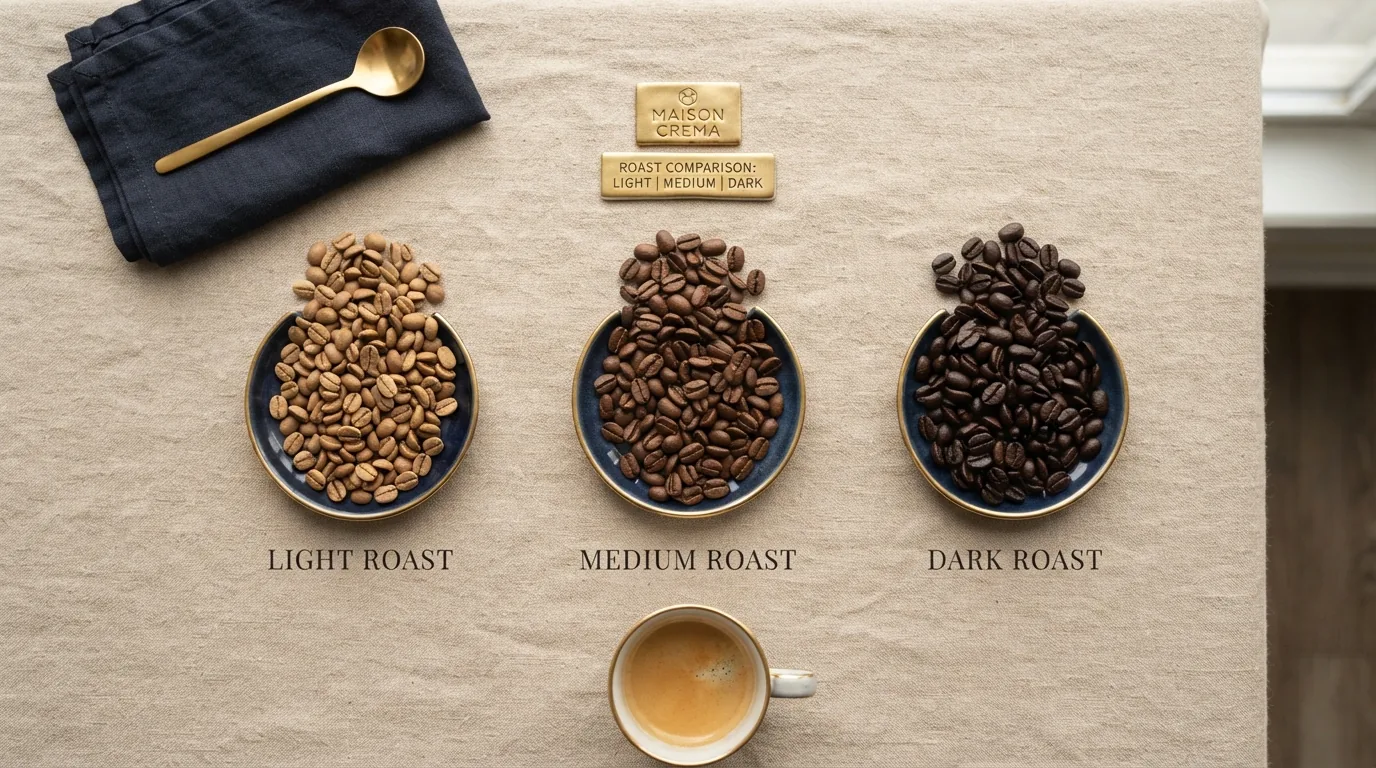
Direct trade relationships, where roasters buy directly from farms or cooperatives rather than through commodity markets, became a genuine differentiator rather than a footnote. Light and medium roasting, which preserves more of a bean's origin-specific acidity and flavor complexity than the darker roasts second-wave coffee favored, became the specialty standard. And single-origin coffee, sold and marketed by specific farm or region rather than blended for consistency, moved from a niche category to a default expectation at any shop calling itself specialty.
Where the Movement Shows Up in the Cities We Cover
Several of the shops in our own city guides sit directly in this history. Ritual Coffee Roasters and Wrecking Ball Coffee Roasters, both in our San Francisco guide, are tied closely to the movement's earliest years in the city where the term itself was coined. Intelligentsia, covered in our Chicago guide, opened its first cafe in 1995, squarely in the second-to-third wave transition. George Howell, described by many in the industry as the movement's "Godfather" and featured in our Boston guide, has been a continuous thread through all three waves.
Is There a Fourth Wave
Some in the industry now talk about a "fourth wave," pointing to trends like coffee as a wellness or functional product, increased automation and data-driven roasting, and a growing focus on sustainability and farmer compensation beyond what direct trade alone guarantees. Unlike the earlier three waves, there's no single widely credited moment or figure who's defined a fourth wave the way Rothgeb defined the third, which is itself a sign the industry hasn't settled on what comes next yet.