A coffee subscription solves a problem grocery store bags rarely address well: knowing the actual roast date. Most supermarket coffee sits on a shelf for weeks or months before it ever reaches a cart, and by the time it's brewed, much of the bright, distinct character it had right after roasting is already gone. A good subscription ships beans within days of roasting instead, which is the entire reason the category has grown into a genuine alternative to buying coffee in person.
Why a Subscription Beats a Grocery Aisle
Freshness is the real value proposition, not novelty, and it's the whole reason this category exists in the first place. As covered in our coffee bean storage guide, specialty coffee tastes best roughly 4 to 14 days after roasting. A subscription built around shipping quickly after roasting keeps you inside or near that window on a recurring basis, something a bag that's already sat in a warehouse and on a shelf simply can't offer, regardless of how good the beans were at the moment they were roasted.
Quiz-Matched Subscriptions
One common model, used by services like Trade Coffee, starts with a short taste quiz covering roast preference, brew method and flavor notes, then matches you to beans from a rotating network of independent roasters across the country rather than a single house roast. It's a genuinely useful format if you don't yet know which roasters you like and want variety without having to research each one individually.
Single-Origin "Travel the World" Subscriptions
A second model, the format Atlas Coffee Club is built around, ships a different single-origin country each cycle, paired with notes on that origin's growing region and processing method. It's less about matching your existing preferences and more about deliberately expanding them, a genuinely educational way to work through world coffee origins one shipment at a time rather than by seeking each one out separately.
Direct-From-Roaster Subscriptions
The simplest model is subscribing directly to a single specialty roaster you already know you like, larger names like Blue Bottle included, which skips the discovery element entirely in favor of consistency. If you've already found a roast you genuinely love, this is usually the most straightforward option, and often the cheapest, since there's no matching or curation layer built into the price.
What to Actually Look For
Regardless of which model you choose, a few features separate a good subscription from a mediocre one. Visible roast dates on every bag, not just a vague "best by" date. Flexible frequency and an easy pause option, since coffee consumption varies week to week. Grind options that match your actual brew method, whole bean for espresso or a grinder you already own, pre-ground coarse for a French press. And transparent sourcing information, ideally down to the farm or cooperative, not just the country of origin.
Coffee Variety Sampler Pack, Whole Bean, 4-Roast Set
Four distinct roasts in one box, a low-commitment way to test the single-origin format before subscribing, $29.99
“A subscription is really just a freshness guarantee with a recurring charge attached. Judge it on the roast date, not the packaging.”
One-Time Trial Boxes vs Ongoing Subscriptions
Most subscription services also sell a single one-time box with no recurring commitment, and it's worth starting there rather than committing to a monthly charge immediately. A trial box tells you whether a given service's roast style, packaging and shipping speed actually match what you want before you're locked into a recurring order. Only convert to an ongoing subscription once a trial box has confirmed the format genuinely fits your routine, not before.
Canceling or Pausing Shouldn't Be a Fight
A genuinely well-run subscription makes pausing or canceling as easy as the original signup, typically a couple of clicks in an account dashboard, with no phone call or retention pitch required. If a service buries its cancellation flow behind support tickets or hidden menus, treat that as a real warning sign about the company generally, not just an inconvenience, since a subscription business that has to trap customers to keep them usually isn't confident its coffee is good enough to keep them on its own.
The Case for Skipping One Entirely
Not everyone needs a subscription, and it's worth saying so plainly. If you already have a local roaster or specialty shop you trust and can buy from regularly, you're likely already getting comparable or better freshness without a recurring commitment, plus the benefit of supporting a business you can actually visit. Subscriptions solve a real problem for people without convenient access to fresh-roasted beans nearby, not a universal upgrade everyone needs regardless of their situation. If your local options are genuinely good, spending that same money in person is usually the better call.
Subscription Models Compared
| Model | Best For | How Selection Works |
|---|---|---|
| Quiz-matched (e.g. Trade Coffee) | Exploring multiple roasters without picking one | Taste quiz matches you to rotating roasters |
| Single-origin travel (e.g. Atlas Coffee Club) | Learning world coffee origins deliberately | A different origin country each shipment |
| Direct-from-roaster | Sticking with a roast you already love | Fixed subscription to one roaster's house coffee |
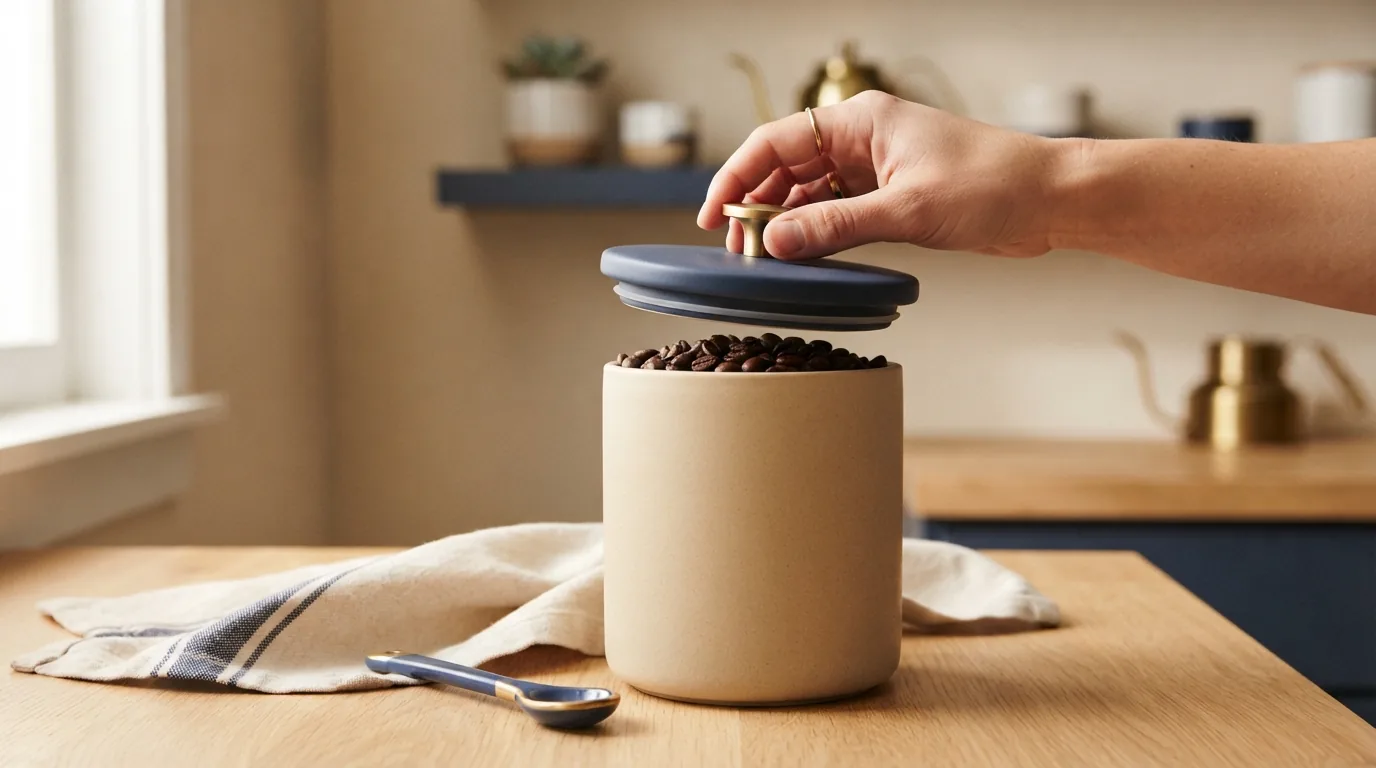
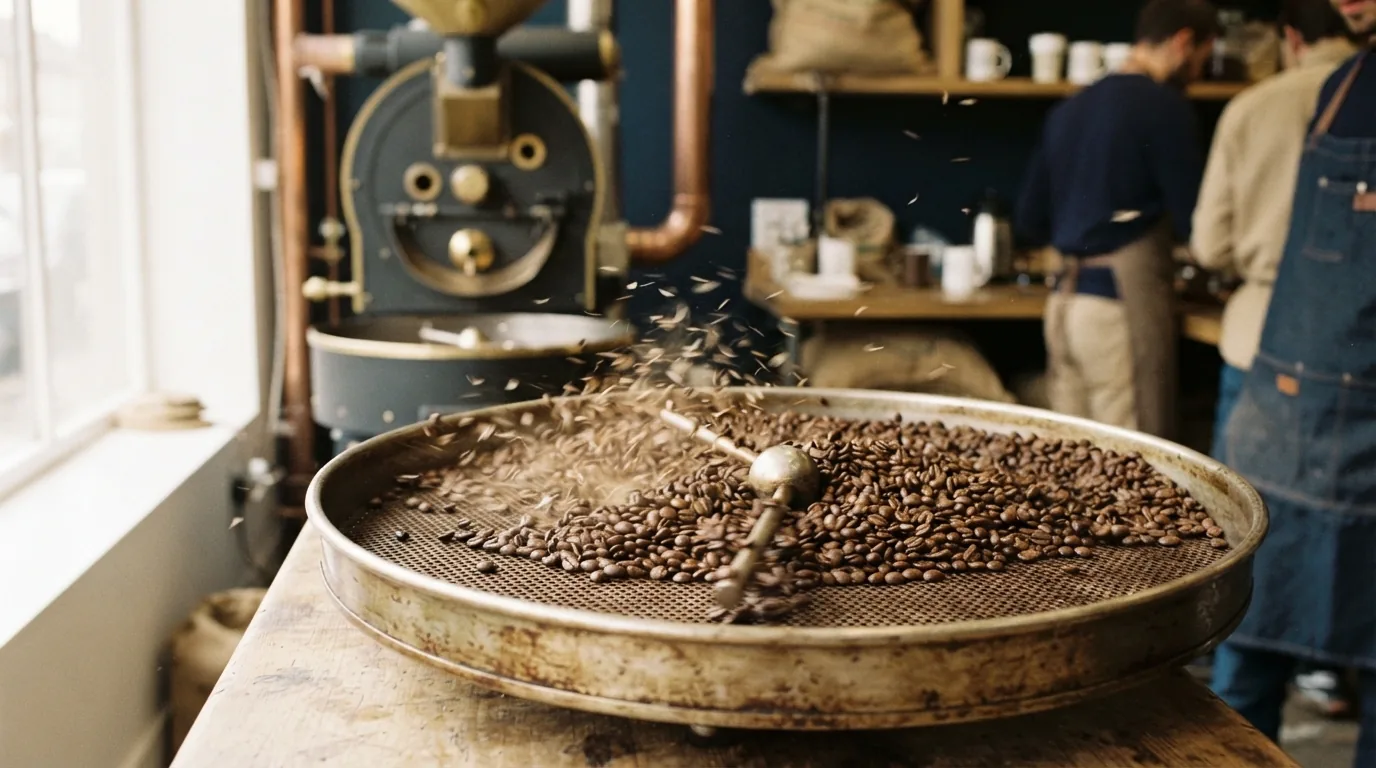
Whichever route you take, pair it with proper storage once the bag arrives. Our bean storage guide and home roasting guide both cover what actually happens to beans after that fresh roast date, and how to protect it for as long as possible.