Grind size is the single most powerful variable in brewing, and the logic behind it is simpler than the charts suggest. Grinding coffee finer creates more surface area and slows water down as it passes through. Both of those increase extraction. So the rule underneath every grind chart ever published is this: the less time water spends with the coffee, the finer the grind needs to be.
That's why espresso, where contact lasts under 30 seconds, needs a fine grind, and cold brew, where contact lasts most of a day, needs an extremely coarse one. Everything in between follows the same line.
The Grind Size Chart
| Method | Grind Size | Texture Reference | Typical Contact Time |
|---|---|---|---|
| Turkish coffee | Extra fine | Flour | 3 to 5 minutes |
| Espresso | Fine | Table salt | 25 to 30 seconds |
| Moka pot | Fine to medium-fine | Between table salt and sand | 3 to 5 minutes |
| AeroPress | Medium-fine | Fine sand | 1 to 3 minutes |
| Pour-over | Medium | Coarse sand | 2.5 to 4 minutes |
| Drip / batch brew | Medium | Coarse sand | 4 to 6 minutes |
| French press | Coarse | Sea salt | 4 minutes |
| Cold brew | Extra coarse | Coarse breadcrumbs | 12 to 18 hours |
Why Contact Time Drives Everything
Water dissolves coffee at a rate set by how much bean surface it can reach. A coarse grind exposes relatively little surface, so it extracts slowly and needs a long soak to reach a balanced cup. A fine grind exposes a great deal, so it extracts quickly and would turn harsh and bitter if left for minutes.
Pairing them the wrong way produces predictable failures. Fine grounds in a French press give you a bitter, silty cup. Coarse grounds in an espresso machine give you a fast, sour shot that never builds pressure properly. Our espresso troubleshooting guide covers reading those symptoms in a shot.
Uniformity Matters More Than Fineness
Getting the average grind size right matters less than getting it consistent. A grinder that produces dust and boulders in the same dose extracts both at once: the dust over-extracts into bitterness while the boulders under-extract into sourness, and you taste the two together in a cup that no adjustment can rescue.
This is the real argument for burr grinders over blade grinders. A blade grinder chops beans into whatever fragments happen to result from spinning a knife through them. A burr grinder crushes beans between two shaped surfaces held a set distance apart, so particles come out close to that distance by design. Our best coffee grinders guide covers the options across price points.
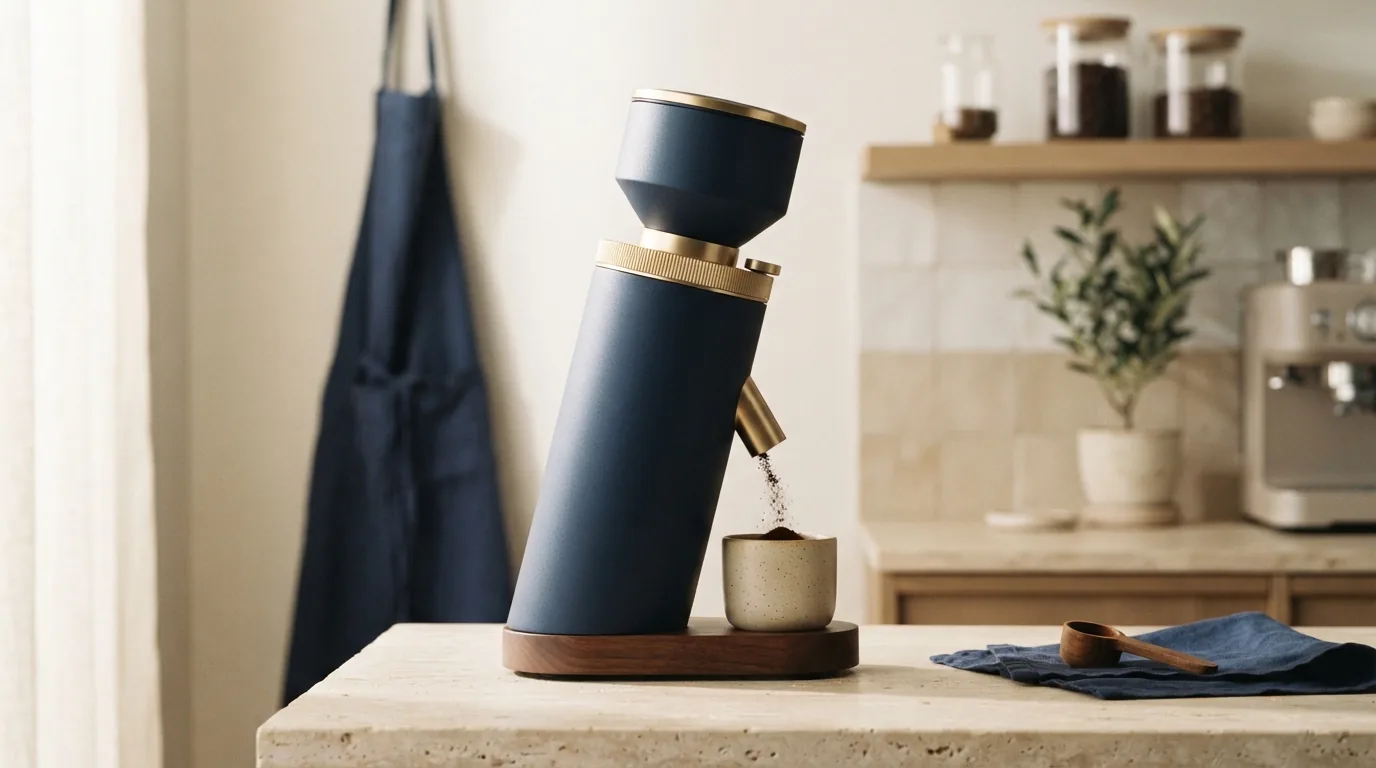
Baratza Encore ESP Grinder
A dual-range 40-step burr set tuned for both espresso and filter grinds, which covers most of this chart from one machine, $199
“Every grind chart in existence is one idea wearing different clothes: the less time the water gets, the finer you grind. Everything else is just naming the increments.”
Grind Fresh, and Only What You Need
Grinding exposes an enormous amount of new surface area to oxygen at once, which is exactly why ground coffee stales so much faster than whole beans. A bag of whole beans holds up reasonably for weeks; the same coffee ground stales noticeably within days. If you're buying good beans and grinding a week's worth at a time, you're discarding most of what you paid for. Our bean storage guide covers the routine that protects freshness.
Where the Chart Stops Being Enough
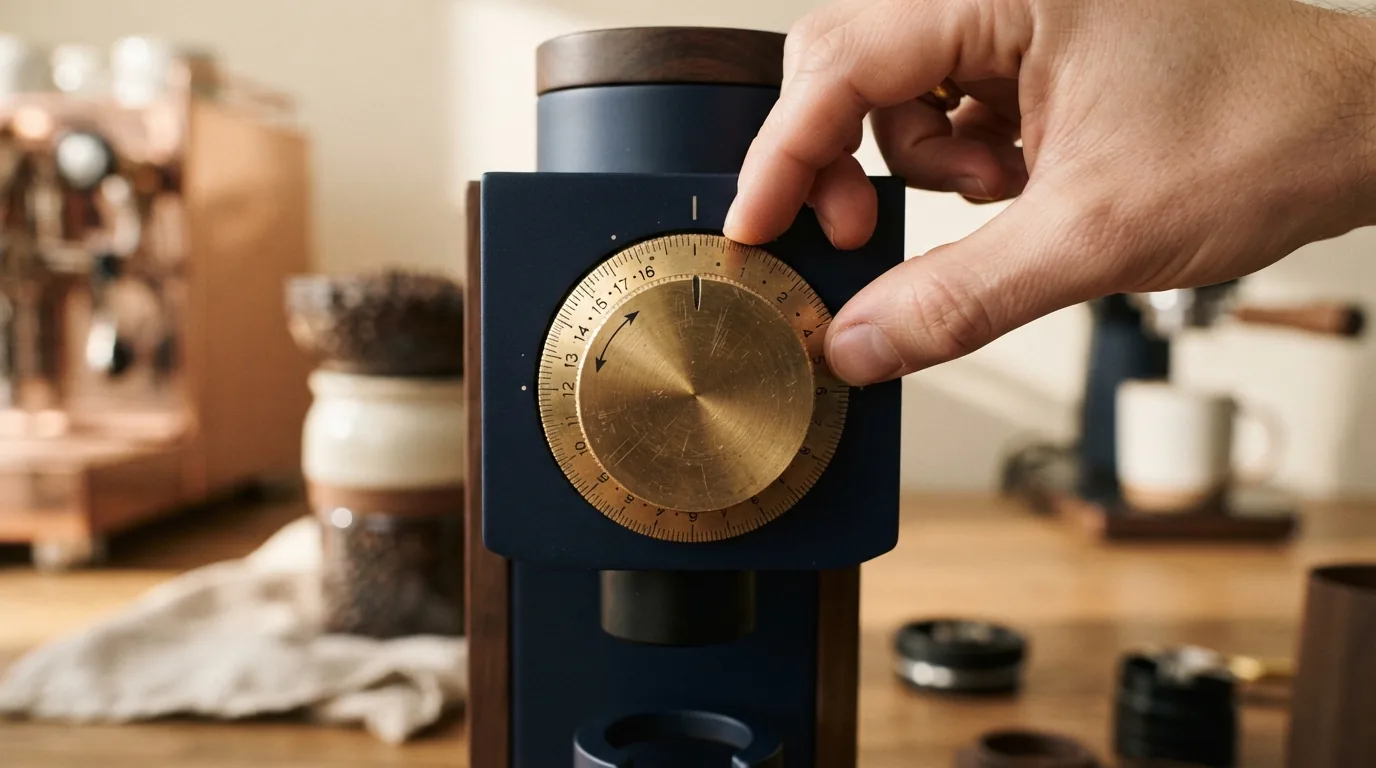
These categories are starting points, not settings. Two grinders set to "medium" will not produce identical particle sizes, because grind numbers aren't standardized across manufacturers, and even the same grinder drifts as burrs wear. Use the chart to get into the right neighborhood, then adjust by taste: too sour means go finer, too bitter means go coarser.
Roast level shifts things too. Darker roasts are more brittle and fracture more easily, so they tend to grind finer at the same setting than a dense light roast does. Our roast levels guide covers why that happens.
The Extremes Need Dedicated Equipment
Both ends of this chart ask more than a typical home grinder can deliver. Turkish coffee needs a powder finer than espresso, finer than most burr sets can reach without their burrs contacting each other, which is why dedicated Turkish grinders exist as their own category. Our Turkish coffee guide covers that end.
At the coarse end, many grinders lose uniformity at their widest settings, producing exactly the mixed dust-and-boulders result that makes cold brew and French press taste muddy. If you brew mainly at one extreme, it's worth checking that a grinder performs well there specifically rather than assuming a wide range means a usable one.