Light, medium and dark are the least standardized words in coffee. No regulator defines them, roasters apply them inconsistently, and one company's medium is routinely another's dark. What does have a physical definition is what's happening inside the bean at the moment the roaster decides to stop, and that's measured in temperature and in two audible events every roaster listens for.
Understanding roast level in those terms, rather than by the label on the bag, is what lets you predict how a coffee will taste before you buy it.
First Crack and Second Crack
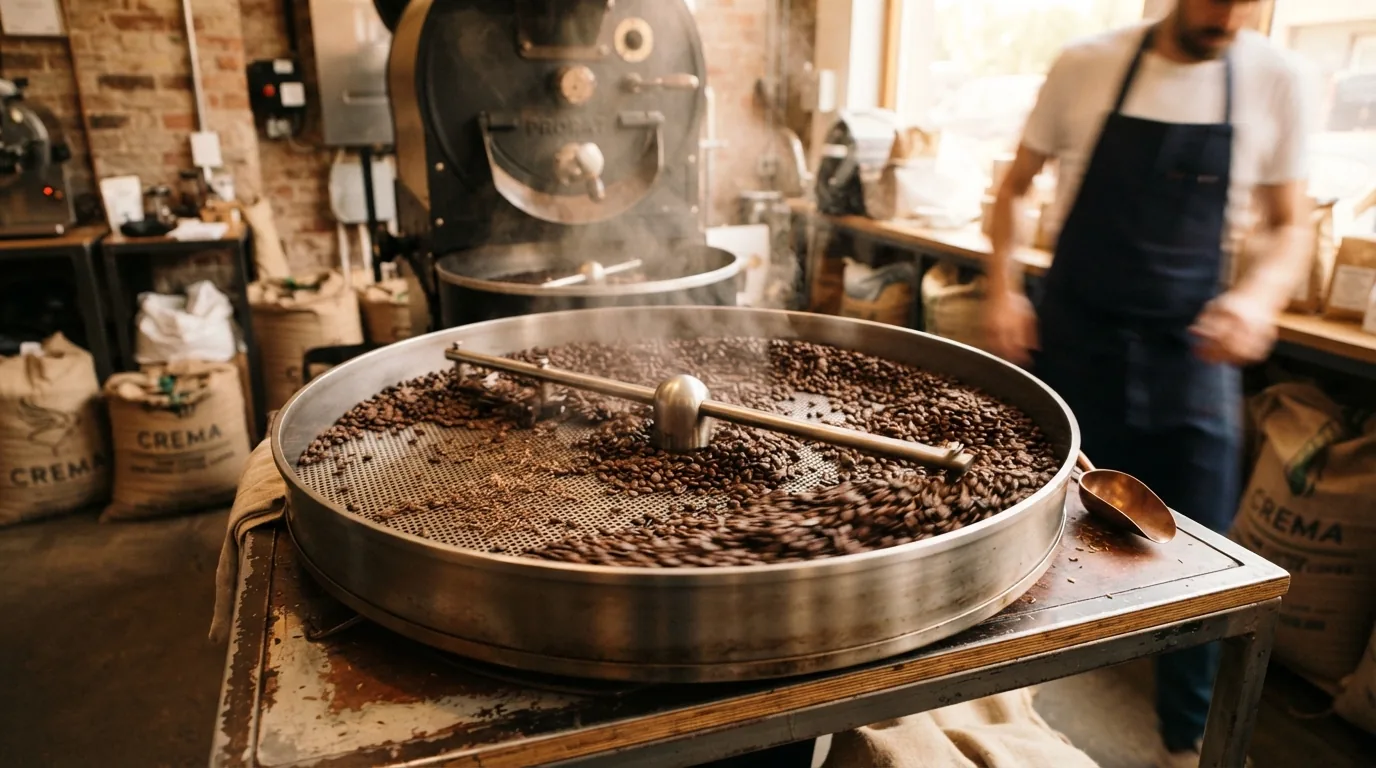
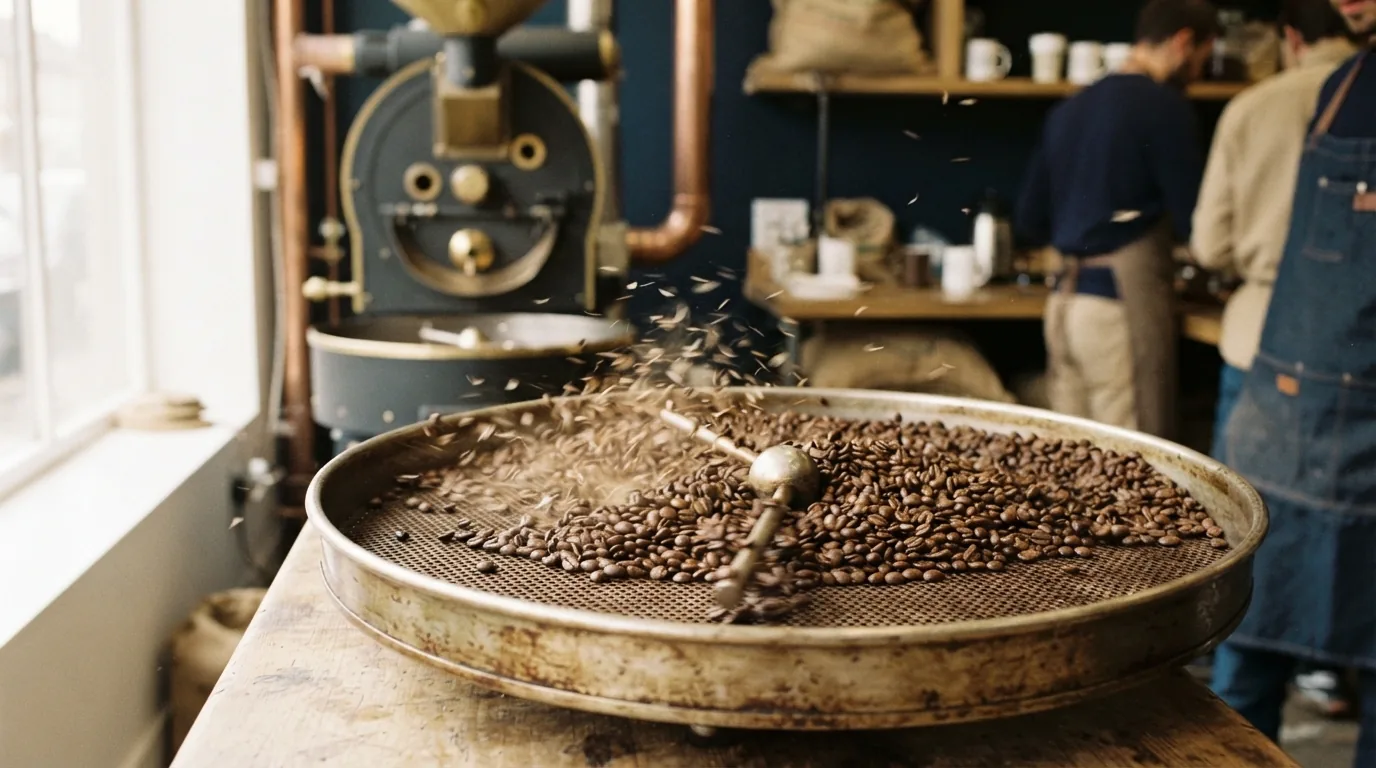
Roasting drives moisture and pressure out of the bean, and it does so in two audible stages. First crack is a distinct popping sound, similar to popcorn, produced as trapped moisture and pressure inside the bean release rapidly. It occurs at a bean temperature of roughly 385°F to 400°F, or about 196°C to 204°C, and it marks the point at which coffee becomes drinkable at all.
Second crack is quieter and higher pitched, a finer crackling that arrives several minutes later if roasting continues, and it signals the bean's cell structure breaking down further as oils migrate toward the surface. It occurs at roughly 435°F to 450°F, or about 224°C to 232°C. Every roast level is defined by where it sits relative to those two events.
| Roast Level | Stopped | Appearance | Flavor Character |
|---|---|---|---|
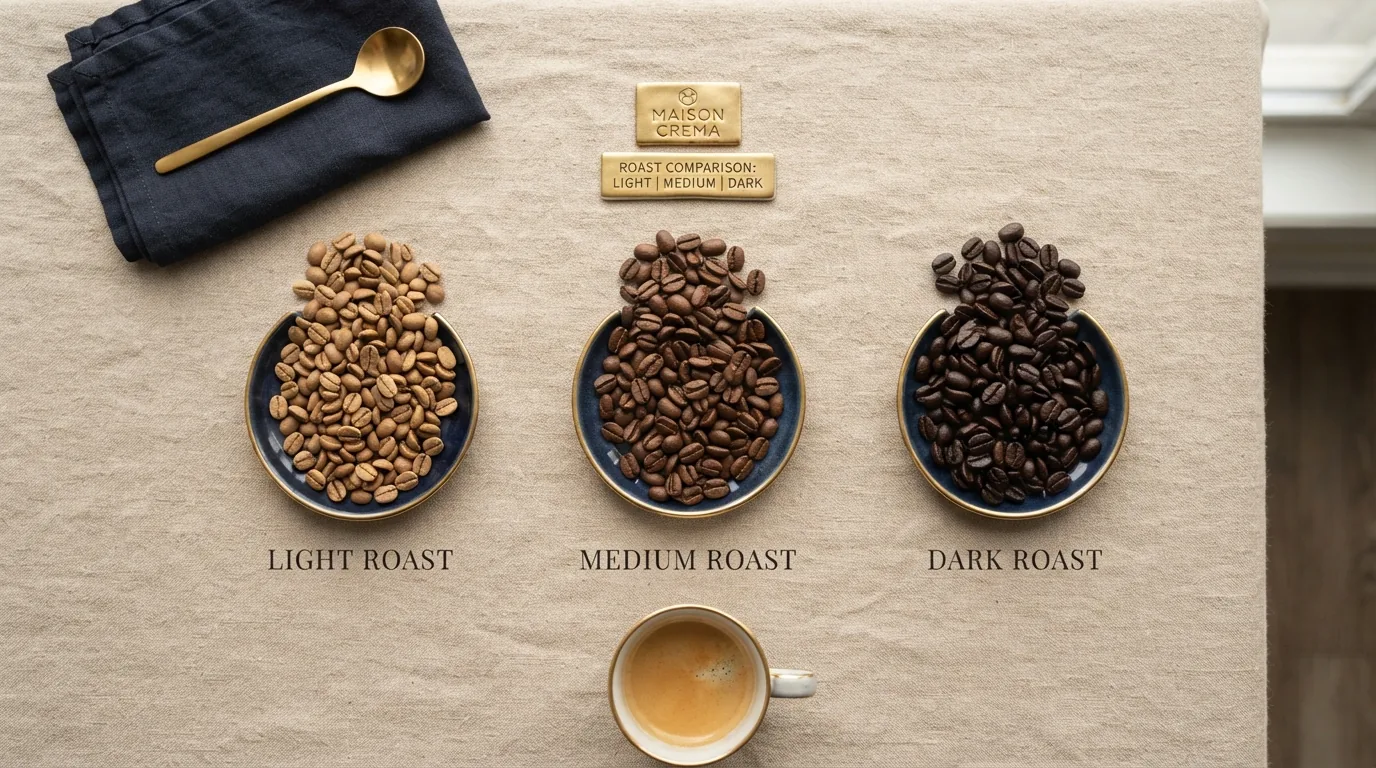
| Light | At or just after first crack | Light brown, dry surface | Bright, acidic, origin character forward |
| Medium | Between first and second crack | Medium brown, dry surface | Balanced, more body, less acidity |
| Medium-dark | At the verge of second crack | Rich brown, faint sheen | Fuller body, roast character emerging |
| Dark | At or after second crack | Dark brown, visibly oily | Smoky, bittersweet, roast over origin |
What Light Roasts Actually Preserve
Stopping at or shortly after first crack leaves more of the bean's original character intact. Light roasts retain higher acidity and the fruit, floral and tea-like notes that vary by origin, processing and altitude, which is why specialty roasters showcasing a single farm tend to roast light. The tradeoff is body: less roast development means less of the heavy, syrupy texture darker roasts deliver, and light roasts are also less forgiving to brew, since their denser structure asks for more precision in grind and temperature.
What Dark Roasts Trade Away
Pushing to second crack and beyond replaces origin character with roast character. Acidity drops sharply, body increases, and the flavors that dominate come from the roasting process itself rather than from where the coffee grew: smoke, dark chocolate, a bittersweet edge. That's a legitimate preference rather than a failure, and it's also why dark roasts are more forgiving in imprecise brewing, since the flavors they carry are less delicate.
The visible oil on a dark roast's surface is the practical consequence worth knowing about. Those migrated oils go rancid faster than compounds locked inside the bean, so dark roasts have a shorter useful window, and they coat grinder burrs and chutes more heavily. Our bean storage guide covers protecting either end of the spectrum.
“A light roast tells you where the coffee came from. A dark roast tells you what the roaster did to it. Neither is better, but only one of them is really about the farm.”
The Caffeine Myth
Dark roasts are widely believed to be stronger in caffeine, and the belief comes from the taste rather than the chemistry, since a darker, more bitter cup reads as more potent. Caffeine is relatively stable through roasting, so by weight, light and dark roasts carry broadly similar amounts.
What genuinely differs is density. Roasting drives off moisture and expands the bean, so a darker roast is less dense than a lighter one. Measure by volume with a scoop and you'll fit fewer dark beans into the same space, so the dark scoop can carry slightly less caffeine. Measure by weight and the difference largely disappears, which is one more reason to use a scale. Our caffeine in espresso vs coffee guide covers real numbers by brew method.
Roast Level Changes How You Grind
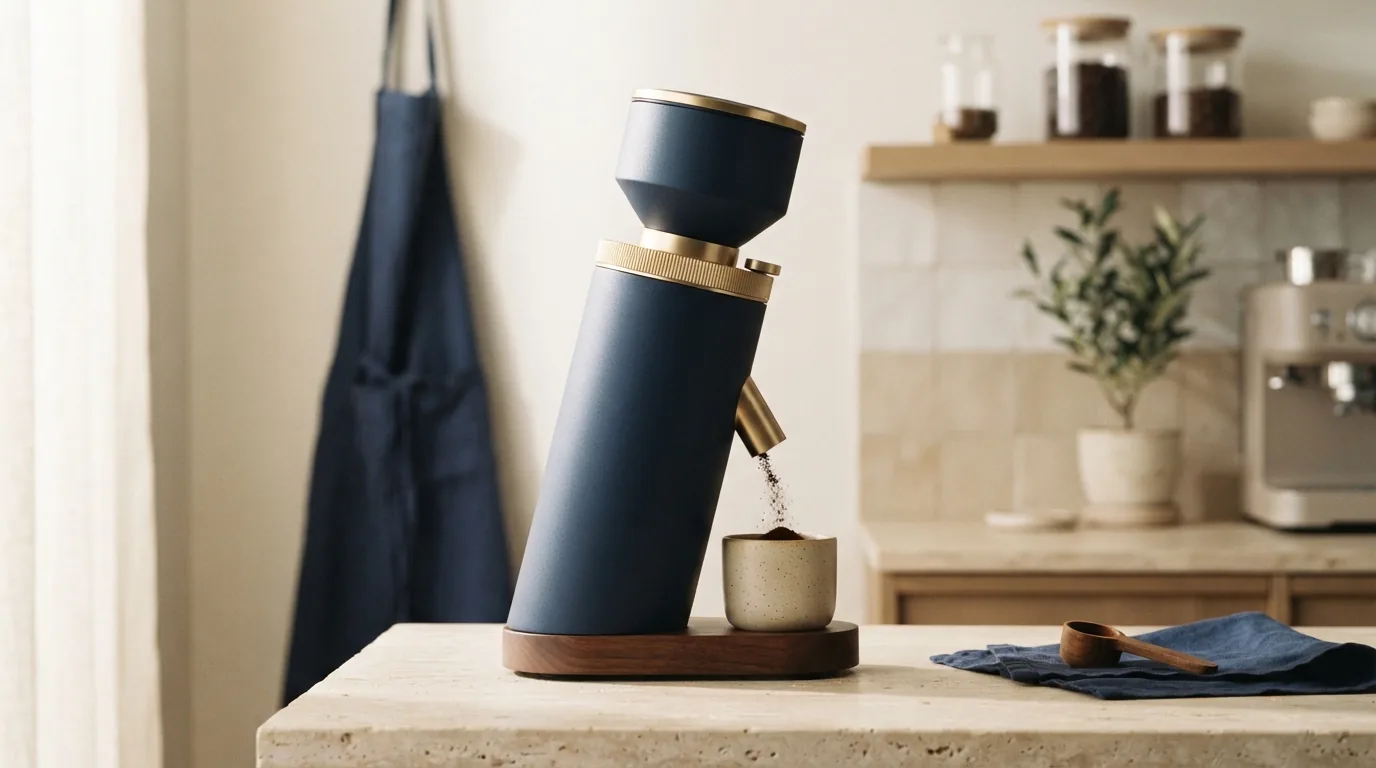
Darker roasts are more brittle, because more of the bean's internal structure has broken down, so they fracture more easily and tend to grind finer at the same setting than a dense light roast. Switching from a dark bag to a light one without touching your grinder will typically produce a coarser grind than you had, and a faster, more sour shot as a result.
This is why changing beans normally means re-dialing rather than assuming your settings transfer. Our grind size chart covers the ranges each method needs, and our troubleshooting guide covers reading the result.
Espresso Roast Is a Different Axis
"Espresso roast" describes intended use rather than a specific darkness. Espresso blends are built to hold up under pressure and short contact time, and historically that meant roasting on the darker side, but plenty of modern espresso blends sit in medium territory. A bag labeled for espresso tells you what the roaster designed it for, not where it stopped relative to second crack. Our filter roast vs espresso roast guide covers that distinction, and our whole bean coffee for espresso guide covers bags worth buying.
Lavazza Super Crema Whole Bean Coffee, 2.2lb
An Arabica and Robusta blend roasted medium and built for thick, lasting crema, forgiving of imperfect dial-in, $26.99
Reading a Bag Without the Label
Since the words aren't standardized, the bean itself is the more reliable signal. A dry, matte surface means the roast stopped before oils reached the surface, placing it light to medium. A visible sheen means it approached or passed second crack. Colour helps as a secondary check, but surface oil is the clearer line, and it's visible through most bag windows. Tasting notes help too: fruit, floral and citrus descriptors point light, while chocolate, nut and smoke descriptors point dark. Our cupping guide covers evaluating two bags side by side properly.